Identifying and Fixing Incompatible Fittings on Industrial Hoses

October 16, 2023

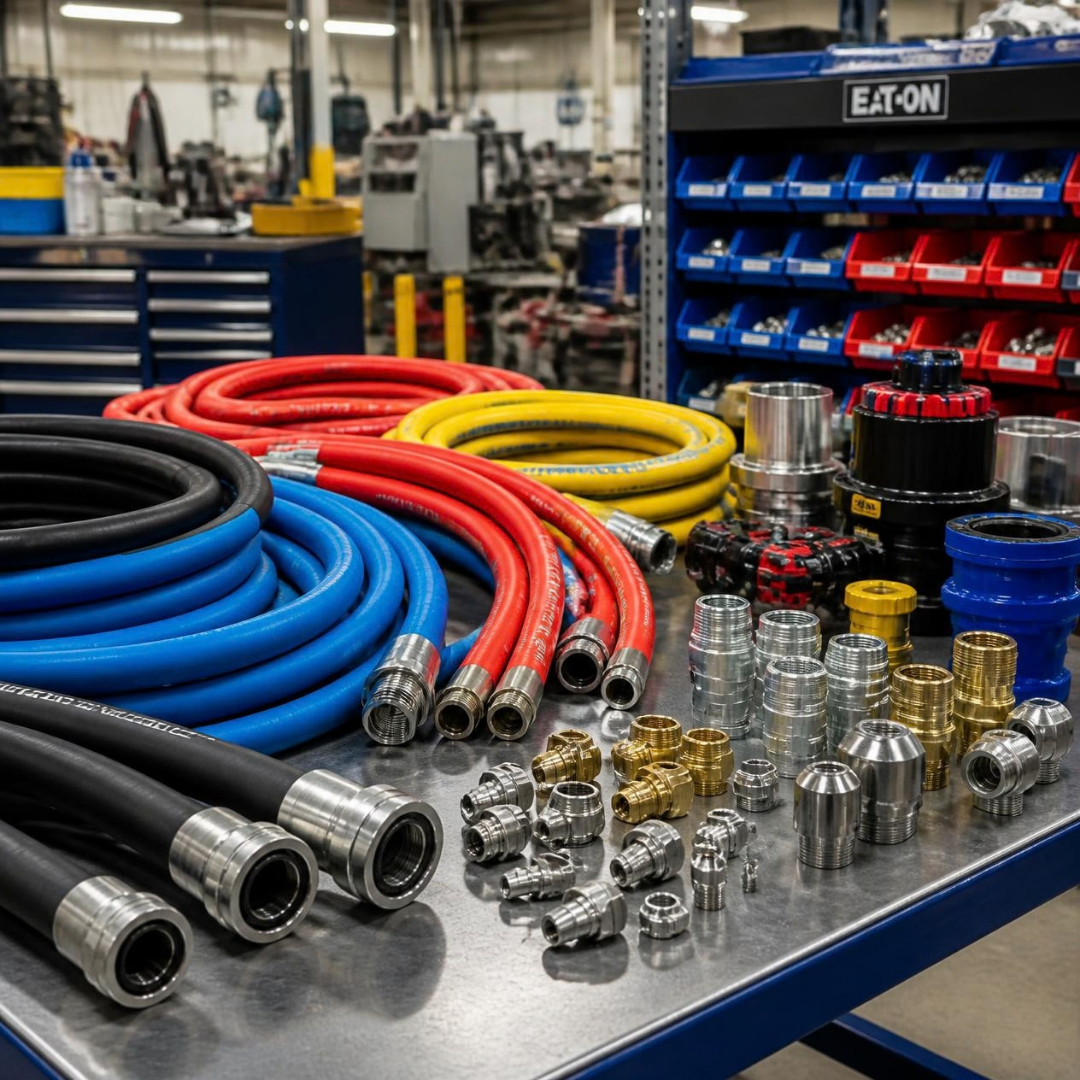
Industrial hoses play a critical role in various applications across multiple sectors, and their efficiency and safety are heavily dependent on their fittings. Proper hose fittings are not a small concern on your work site. Using incompatible fittings by choice or due to an error can pose significant safety risks like

  • Spills and Environmental Hazards
  • Damage to nearby Equipment
  • Slips, chemical burns, poor air quality, and other workplace hazards
  • Downtime and Operational Delays


Here are some ways to recognize incompatible fittings before they cause larger problems, and things to consider when choosing their replacements.


Recognizing the Signs of Incompatible Fittings

Incompatible industrial hose fittings can lead to several noticeable problems. Being aware of the signs can help prevent or mitigate potential issues before they escalate into larger problems.


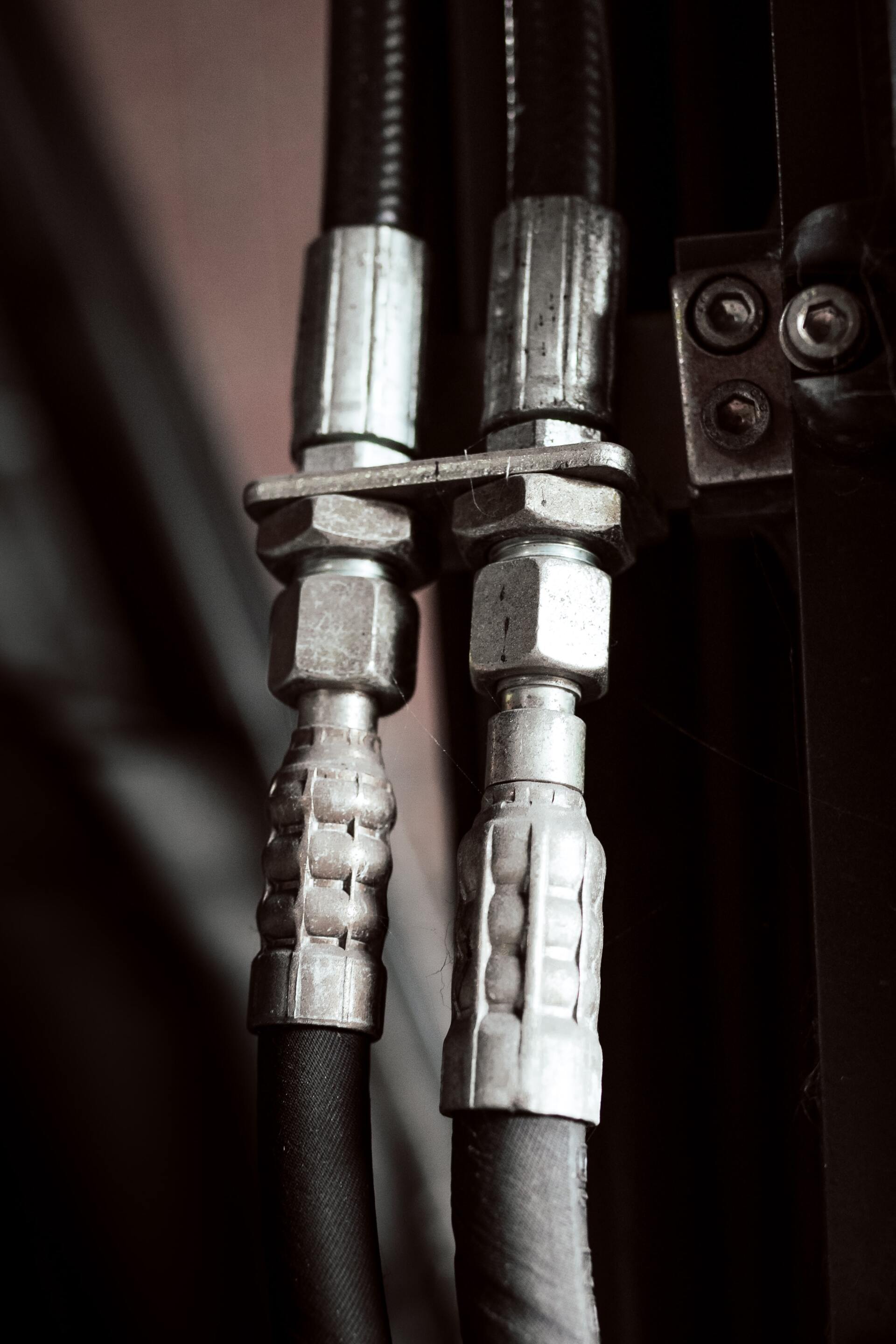
  • Leakages. One of the most apparent signs of an incompatible fitting is leakage around the fitting site. When the hose and fitting don't match, there might be gaps that allow the transported material to escape.
  • Loose Connections. If the fittings are not designed for a particular hose, they might not secure properly. This can result in the fitting coming off under pressure, leading to loss of material and workplace hazards.
  • Visible Wear and Tear. Incompatible fittings can corrode from exposure to the fluids or cause accelerated wear and tear at the connection points. Over time, this can lead to cracks, splits, or deformities in the hose.
  • Inconsistent Flow Rate. Loose connections can cause the material to slow at a sub-optimal rate, cause random surges, or slow and block the flow altogether. If you find the flow rate is fluctuating without explanation, it may be time to check the fittings for issues.


How to Choose the Right Fittings for Specific Hoses

For industrial hoses to function properly, the correct fittings are essential. Here are some essential factors to consider:

  • Hose Specifications. Make sure the fitting matches the hose’s inner and outer diameter and that it has an adequate pressure rating to meet operational demands.
  • Application Needs. Gases may require different fittings from fluid materials. In addition, the operating temperature range, the temperature of the materials, and the route the materials will take all determine the best fitting type and function.
  • Manufacturer's Guidelines. Manufacturers provide tested and proven fitting recommendations. Using these guidelines ensures an optimized fit and can extend the hose's operational lifespan.
  • Material. Some materials corrode or create chemical reactions when exposed to specific materials within the hoses. This can lead to breaks, leaks, or contamination of the transported material. Make sure you use fittings made to safely transport the intended fluid or gas to avoid these issues.
  • Connection Type. Crimps are designed to offer a permanent bond between the hose and fitting, while push-on connections offer easy assembly for low-pressure applications. Flange assemblies are made for larger hoses and high-pressure situations. Barbed and threaded couplings also offer their unique advantages and disadvantages. Choosing the right type of fitting is critical for the effectiveness and longevity of your system.


Action Supply Ensures You Always Have the Right Fittings For Your Industrial Hose Line

Our account representatives are committed to taking the stress off your shoulders. We make sure the exact industrial supplies you need are always available. They will be stocked, organized, and easily accessible whenever you need them. Contact us today to ensure you always have the hoses and fittings you need.
April 17, 2026
When equipment is running full throttle, the last thing you want to think about is your fuel and fluid systems. But the truth is, those systems are doing a lot of heavy lifting behind the scenes and when they're not properly maintained, everything stops. This guide breaks down what you need to know to keep your systems healthy, catch problems early, and avoid costly downtime. What Are Fuel and Fluid Systems, and Why Do They Matter? Fuel and fluid systems are the circulatory network of any piece of industrial equipment. They move hydraulic oil, diesel fuel, coolant, lubricants, and other media through hoses, lines, fittings, pumps, and reservoirs to power actuators, cool engines, reduce friction, and transfer energy. These systems operate under pressure. They deal with heat, vibration, chemical exposure, and constant mechanical stress. When a single component fails — a cracked hose, a leaking fitting, a clogged filter — the entire system can be compromised. In industries like oil and gas, construction, maritime, and heavy manufacturing, that kind of failure doesn't just cause a repair bill. It causes project delays, safety risks, and unplanned downtime that ripples across an entire operation. Common Causes of Fuel and Fluid System Failures Understanding what causes failures is the first step toward preventing them. Across industries, the most common culprits include: Hose Degradation Industrial hoses have a service life. Over time, rubber compounds break down due to heat cycling, UV exposure, chemical interaction, and physical abrasion. Hoses that look fine externally may be compromised internally, with tube separation or liner deterioration that restricts flow or introduces contamination. Fitting and Connection Failures A fitting that's been over-torqued, under-torqued, or installed with the wrong thread type will eventually leak. Vibration and pressure spikes accelerate this process. In hydraulic systems especially, even a small leak at a fitting can indicate a larger pressure integrity issue. Contamination Particle contamination is one of the leading causes of hydraulic system damage. Dirt, metal shavings, and degraded fluid can score pump components, clog valves, and accelerate wear across the entire system. Contamination typically enters through improper maintenance practices, damaged seals, or poorly sealed reservoirs. Improper Hose Routing and Clamping A hose that rubs against a frame, runs too close to a heat source, or isn't properly supported at connection points will wear prematurely. Good routing and the right clamping hardware extend hose life significantly. Fluid Degradation Hydraulic oil, coolant, and fuel all degrade over time. Oxidation, water intrusion, and additive breakdown reduce fluid effectiveness and can promote corrosion inside lines and components. How to Maintain Fuel and Fluid Systems Across Industries Maintenance requirements vary by application, but the core principles are consistent regardless of industry. Regular Visual Inspections Walk your equipment and look for early warning signs: wet spots around fittings, swelling or blistering on hose exteriors, rust staining near connections, or any evidence of seepage. In hydraulic systems, check reservoir fluid levels and look for foam or discoloration that may indicate aeration or contamination. Inspections don't require tools. A thorough visual check before and after operation can catch issues before they become failures. Scheduled Fluid Analysis and Changes Fluid analysis programs are standard practice in large fleet operations and for good reason. Sending oil samples to a lab gives you a picture of what's happening inside your system — particle counts, wear metals, water content, and additive levels — without taking anything apart. Even without a formal analysis program, following OEM-recommended fluid change intervals protects your equipment. Running degraded hydraulic fluid or fuel contaminated with water is one of the fastest ways to shorten component life. Hose Inspection and Replacement Protocols Hoses should be inspected on a defined schedule, not just when something goes wrong. Look for: Cracks, cuts, or abrasion along the hose body Kinking or twisting that restricts flow Corrosion or damage at end fittings and crimps Soft or spongy spots that indicate internal delamination Discoloration from heat exposure If you're unsure whether a hose is still within spec, replace it. The cost of a new hose assembly is a fraction of the cost of a system failure in the field. Fitting and Connection Checks During any maintenance interval, check fitting torque, thread engagement, and seal condition. Look for signs of fretting — small surface damage caused by micro-movement at a connection — which indicates vibration is stressing the joint. For high-pressure hydraulic lines, verify that the correct fitting standard is in use. Mixing fittings is a common source of leaks and long-term reliability problems. Contamination Control Use caps and plugs any time a hose or fitting is disconnected, even briefly. Keep fluid transfer containers clean and clearly labeled. Change filters on schedule and inspect them at each change for metallic debris or other signs of abnormal wear. For systems that are particularly contamination-sensitive, such as proportional or servo hydraulic systems, consider inline filtration upgrades. Frequently Asked Questions How often should hydraulic hoses be replaced? There's no single universal answer, but most manufacturers recommend a visual inspection every 6 to 12 months and replacement based on condition. Hoses subjected to high cycle counts, extreme temperatures, or aggressive media may need replacement more frequently. Age alone is a factor. Rubber hoses degrade over time regardless of use. What are the signs that a hydraulic system has contamination? Common signs include sluggish or erratic actuator response, increased operating temperature, unusual noise from the pump, accelerated component wear, and visible cloudiness or discoloration in the reservoir fluid. How do I choose the right hose for a fuel or hydraulic application? Hose selection depends on the media being conveyed, working pressure and temperature range, required bend radius, and the environment the hose will operate in. The STAMPED method — Size, Temperature, Application, Media, Pressure, Ends, Delivery — is a useful framework for specifying hoses correctly. What's the difference between a hydraulic fitting leak and a seal leak? A fitting leak typically comes from thread engagement, fitting torque, or mismatched standards. A seal leak comes from a compromised O-ring, backup ring, or face seal. Both need to be addressed promptly, but the repair approach is different. Can you build custom hose assemblies on-site? Yes. For operations that can't afford to wait on lead times, having a supplier capable of building hose assemblies to your exact specifications — and doing it on-site — makes a significant difference in how quickly you get back up and running. The Bottom Line: Small Components, Big Impact Fuel and fluid systems don't announce problems until it's too late, unless you're paying attention. A proactive maintenance approach built on regular inspections, scheduled fluid changes, and proper component selection keeps small issues from becoming operational shutdowns.  For Houston area crews, having a supply partner who understands these systems and can deliver the right parts quickly is part of what keeps operations moving. At Action Supply Inc, we've been supporting those operations for over 40 years. From hydraulic hose assemblies built to your specs to fittings, adapters, and maintenance supplies designed to hold up under real working conditions, we have what you need to stay productive.
March 13, 2026
As spring arrives in Houston, jobsite activity accelerates across construction, manufacturing, energy, and industrial sectors. Crews transition from planning to execution, equipment is back in full use, and project timelines begin to tighten. In this environment, delays are rarely caused by major issues. More often, they come down to missing parts, worn components, or supply gaps that interrupt workflow. For crews that rely on fluid transfer, air systems, and hydraulic equipment, preparation starts with having the right hoses, fittings, and support supplies ready before the season reaches full speed. This spring jobsite checklist focuses on the essential industrial hose and parts inventory every crew should have in place to stay productive, safe, and on schedule. Why Spring Preparation Matters for Industrial Operations in Houston Houston’s climate and industry mix create unique jobsite demands. Warmer temperatures, increased rainfall, and rising workload across construction and industrial sectors all place added pressure on equipment and systems. Spring is the time to get ahead of: Increased equipment usage and wear Moisture related issues affecting hoses and connections Higher demand for replacement parts and assemblies Unexpected downtime caused by preventable failures Crews that enter the season fully prepared are better positioned to maintain productivity and avoid disruptions when demand peaks. Industrial Hose Inventory: Inspect, Replace, and Stock Up Hoses are one of the most critical and most commonly overlooked components on any jobsite. Over time, exposure to pressure, weather, and materials leads to wear that can result in leaks or failures. Before the busy season begins, crews should: Inspect hoses for cracks, abrasions, or bulging Replace any hoses showing signs of wear Confirm proper pressure ratings for each application Stock backup hoses for high use systems Common hose types to review include: Water transfer hoses Air hoses for pneumatic tools Chemical hoses for specialized applications Petroleum and fuel transfer hoses Hydraulic hoses for heavy equipment Having replacements on hand helps prevent downtime when a hose fails in the field. Fittings and Couplings: Small Parts That Prevent Big Delays Fittings and couplings are often the smallest components on a jobsite, but they play a major role in system performance. A missing or incorrect fitting can bring work to a halt. Spring prep should include: Stocking a range of fittings in common sizes and materials Checking for worn threads or damaged seals Ensuring compatibility across equipment and hose types Keeping quick connect and camlock fittings readily available Crews should also maintain an organized inventory so parts can be accessed quickly when needed. Gaskets, Seals, and Valves: Protecting System Integrity Leaks and pressure loss often come down to worn seals or failing valves. These components are inexpensive to replace but costly to ignore. Essential items to have on hand: Replacement gaskets for common connections O-rings and sealing components Ball valves and control valves Check valves for backflow prevention Routine replacement of these parts helps maintain system efficiency and reduces the risk of unexpected shutdowns. Hydraulic and Pneumatic System Essentials For crews operating heavy equipment or pneumatic tools, system reliability depends on consistent pressure and flow. Spring readiness should include: Hydraulic hose assemblies and adapters Air line fittings and connectors Pressure gauges and monitoring tools Lubricants for system components Checking these systems before peak use helps prevent performance issues that can slow down operations. Jobsite Consumables and Maintenance Supplies In addition to core components, crews should stock the consumables that keep systems running smoothly. Key supplies include: Thread sealants and Teflon tape Hose clamps and securing hardware Cleaning solutions for equipment maintenance Spill containment materials Protective covers for hoses and connections These items support quick repairs and ongoing maintenance without interrupting workflow. Weather Readiness for Houston Conditions Spring in Houston often brings heavy rain and humidity, which can impact equipment and materials. To stay prepared: Store hoses and fittings in dry, covered areas Use protective caps to prevent contamination Keep water management equipment ready for flooded areas Monitor for corrosion on metal components Proper storage and protection extend the life of your equipment and reduce replacement costs. Inventory Planning and Supplier Support As demand increases across Houston industries, waiting to order parts can lead to delays. A proactive inventory strategy is essential. Best practices include: Reviewing upcoming project needs in advance Stocking high use and high risk components Establishing a reliable local supply partner Scheduling regular restocking based on usage Working with a supplier that understands your operation helps ensure you have the right parts available when you need them. Set Your Crew Up for a Productive Season A well prepared jobsite is not just about major equipment. It is built on having the right components, backups, and supplies in place to keep systems running without interruption. For Houston crews working in construction, industrial, and energy environments, hoses, fittings, and related components are essential to daily operations. Taking the time to inspect, replace, and stock these items in the spring helps prevent downtime and keeps projects moving forward. At Action Supply Inc, we support Houston area crews with a full range of industrial hoses, fittings, and parts designed to meet the demands of real world jobsite conditions. Our team works with contractors and operators to provide reliable solutions that keep equipment running and projects on track.  As the season picks up, preparation is what keeps your crew working without interruption. Now is the time to make sure you have the supplies in place to handle whatever the job demands.
By Jayson Matos February 15, 2026
How Smart Product Selection Protects Reliability & Equipment Performance