Fuel, Fluid, and Flow: Keeping Systems Running Smoothly
When equipment is running full throttle, the last thing you want to think about is your fuel and fluid systems. But the truth is, those systems are doing a lot of heavy lifting behind the scenes and when they're not properly maintained, everything stops.
This guide breaks down what you need to know to keep your systems healthy, catch problems early, and avoid costly downtime.
What Are Fuel and Fluid Systems, and Why Do They Matter?
Fuel and fluid systems are the circulatory network of any piece of industrial equipment. They move hydraulic oil, diesel fuel, coolant, lubricants, and other media through hoses, lines, fittings, pumps, and reservoirs to power actuators, cool engines, reduce friction, and transfer energy.
These systems operate under pressure. They deal with heat, vibration, chemical exposure, and constant mechanical stress. When a single component fails — a cracked hose, a leaking fitting, a clogged filter — the entire system can be compromised.
In industries like oil and gas, construction, maritime, and heavy manufacturing, that kind of failure doesn't just cause a repair bill. It causes project delays, safety risks, and unplanned downtime that ripples across an entire operation.
Common Causes of Fuel and Fluid System Failures
Understanding what causes failures is the first step toward preventing them. Across industries, the most common culprits include:
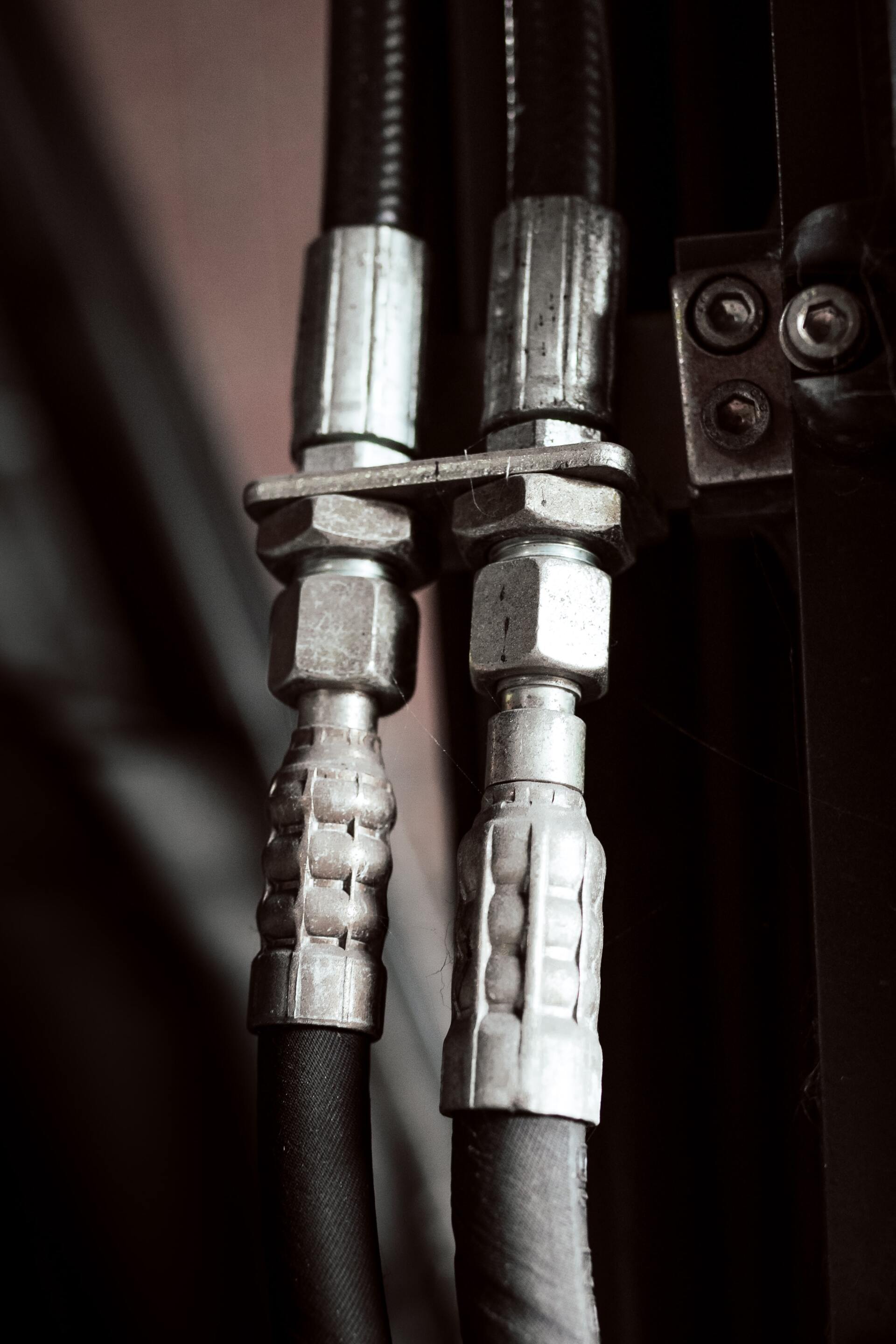
Hose Degradation Industrial hoses have a service life. Over time, rubber compounds break down due to heat cycling, UV exposure, chemical interaction, and physical abrasion. Hoses that look fine externally may be compromised internally, with tube separation or liner deterioration that restricts flow or introduces contamination.
Fitting and Connection Failures A fitting that's been over-torqued, under-torqued, or installed with the wrong thread type will eventually leak. Vibration and pressure spikes accelerate this process. In hydraulic systems especially, even a small leak at a fitting can indicate a larger pressure integrity issue.
Contamination Particle contamination is one of the leading causes of hydraulic system damage. Dirt, metal shavings, and degraded fluid can score pump components, clog valves, and accelerate wear across the entire system. Contamination typically enters through improper maintenance practices, damaged seals, or poorly sealed reservoirs.
Improper Hose Routing and Clamping A hose that rubs against a frame, runs too close to a heat source, or isn't properly supported at connection points will wear prematurely. Good routing and the right clamping hardware extend hose life significantly.
Fluid Degradation Hydraulic oil, coolant, and fuel all degrade over time. Oxidation, water intrusion, and additive breakdown reduce fluid effectiveness and can promote corrosion inside lines and components.
How to Maintain Fuel and Fluid Systems Across Industries
Maintenance requirements vary by application, but the core principles are consistent regardless of industry.
Regular Visual Inspections
Walk your equipment and look for early warning signs: wet spots around fittings, swelling or blistering on hose exteriors, rust staining near connections, or any evidence of seepage. In hydraulic systems, check reservoir fluid levels and look for foam or discoloration that may indicate aeration or contamination.
Inspections don't require tools. A thorough visual check before and after operation can catch issues before they become failures.
Scheduled Fluid Analysis and Changes
Fluid analysis programs are standard practice in large fleet operations and for good reason. Sending oil samples to a lab gives you a picture of what's happening inside your system — particle counts, wear metals, water content, and additive levels — without taking anything apart.
Even without a formal analysis program, following OEM-recommended fluid change intervals protects your equipment. Running degraded hydraulic fluid or fuel contaminated with water is one of the fastest ways to shorten component life.
Hose Inspection and Replacement Protocols
Hoses should be inspected on a defined schedule, not just when something goes wrong. Look for:
- Cracks, cuts, or abrasion along the hose body
- Kinking or twisting that restricts flow
- Corrosion or damage at end fittings and crimps
- Soft or spongy spots that indicate internal delamination
- Discoloration from heat exposure
If you're unsure whether a hose is still within spec, replace it. The cost of a new hose assembly is a fraction of the cost of a system failure in the field.
Fitting and Connection Checks
During any maintenance interval, check fitting torque, thread engagement, and seal condition. Look for signs of fretting — small surface damage caused by micro-movement at a connection — which indicates vibration is stressing the joint.
For high-pressure hydraulic lines, verify that the correct fitting standard is in use. Mixing fittings is a common source of leaks and long-term reliability problems.
Contamination Control
Use caps and plugs any time a hose or fitting is disconnected, even briefly. Keep fluid transfer containers clean and clearly labeled. Change filters on schedule and inspect them at each change for metallic debris or other signs of abnormal wear.
For systems that are particularly contamination-sensitive, such as proportional or servo hydraulic systems, consider inline filtration upgrades.
Frequently Asked Questions
How often should hydraulic hoses be replaced? There's no single universal answer, but most manufacturers recommend a visual inspection every 6 to 12 months and replacement based on condition. Hoses subjected to high cycle counts, extreme temperatures, or aggressive media may need replacement more frequently. Age alone is a factor. Rubber hoses degrade over time regardless of use.
What are the signs that a hydraulic system has contamination? Common signs include sluggish or erratic actuator response, increased operating temperature, unusual noise from the pump, accelerated component wear, and visible cloudiness or discoloration in the reservoir fluid.
How do I choose the right hose for a fuel or hydraulic application? Hose selection depends on the media being conveyed, working pressure and temperature range, required bend radius, and the environment the hose will operate in. The STAMPED method — Size, Temperature, Application, Media, Pressure, Ends, Delivery — is a useful framework for specifying hoses correctly.
What's the difference between a hydraulic fitting leak and a seal leak? A fitting leak typically comes from thread engagement, fitting torque, or mismatched standards. A seal leak comes from a compromised O-ring, backup ring, or face seal. Both need to be addressed promptly, but the repair approach is different.
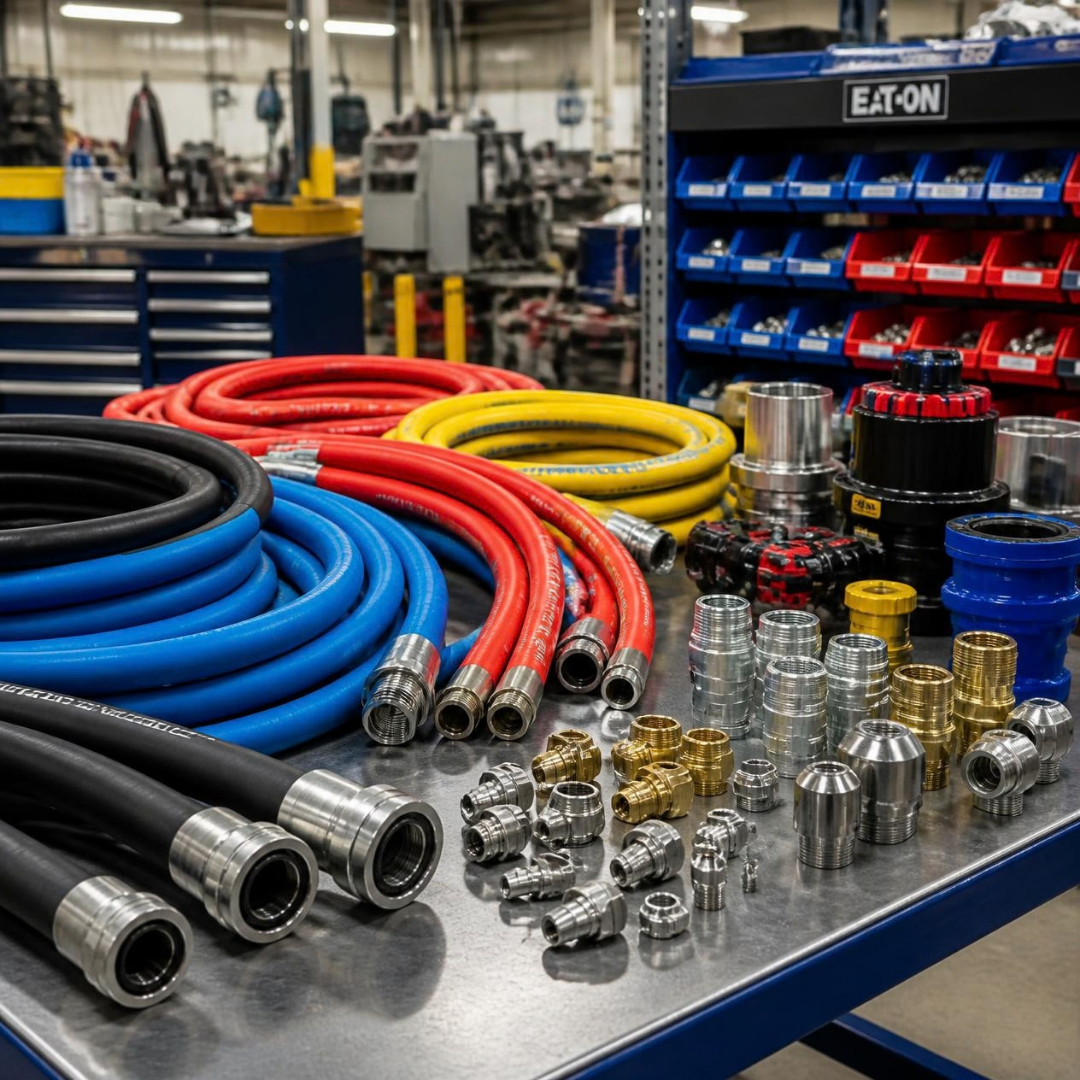
Can you build custom hose assemblies on-site? Yes. For operations that can't afford to wait on lead times, having a supplier capable of building hose assemblies to your exact specifications — and doing it on-site — makes a significant difference in how quickly you get back up and running.
The Bottom Line: Small Components, Big Impact
Fuel and fluid systems don't announce problems until it's too late, unless you're paying attention. A proactive maintenance approach built on regular inspections, scheduled fluid changes, and proper component selection keeps small issues from becoming operational shutdowns.
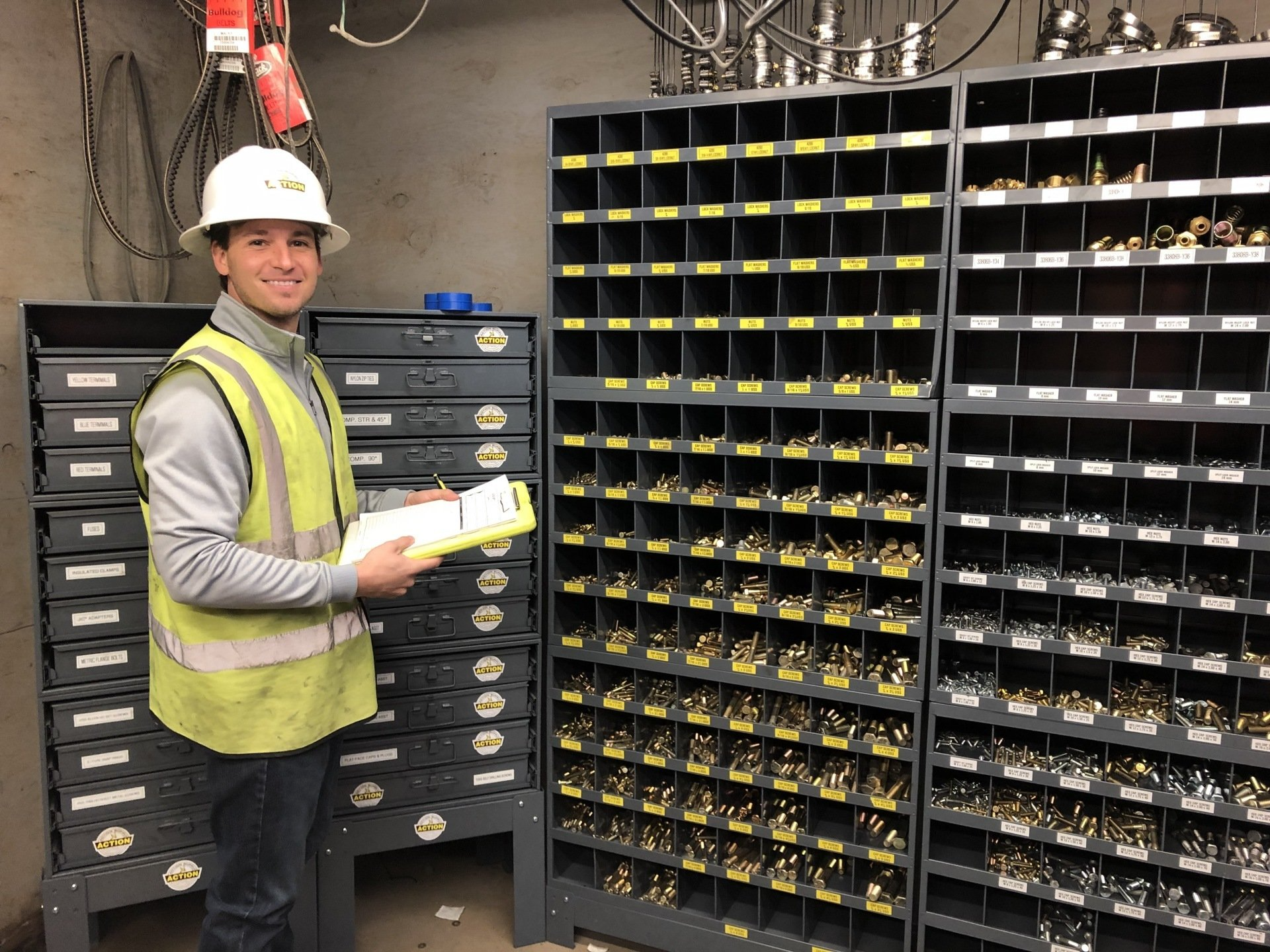
For Houston area crews, having a supply partner who understands these systems and can deliver the right parts quickly is part of what keeps operations moving.
At Action Supply Inc, we've been supporting those operations for over 40 years. From hydraulic hose assemblies built to your specs to fittings, adapters, and maintenance supplies designed to hold up under real working conditions, we have what you need to stay productive.