Building a Smarter Supply Strategy for the Year Ahead

January 14, 2026

The start of a new year is more than a calendar reset, it’s an opportunity to strengthen the systems that keep your business running efficiently. For industrial, commercial, and maintenance-driven operations, having the right supplies in place at the right time can mean the difference between staying productive or falling behind.

Building a smarter supply strategy early in the year helps businesses control costs, reduce downtime, and remain competitive in an increasingly unpredictable supply environment. Here’s how to evaluate your needs, forecast usage, and put reliable systems in place for the year ahead.

Why Strategic Supply Planning Matters

Reactive purchasing often leads to higher costs, rushed decisions, and inconsistent inventory levels. Without a clear supply plan, businesses risk overordering, stockouts, and delays that impact operations and customer commitments.

Strategic supply planning allows organizations to:

  • Improve operational efficiency
  • Reduce emergency purchases and downtime
  • Stabilize pricing through better forecasting
  • Build stronger supplier relationships

When supply strategy is aligned with operational goals, purchasing becomes a competitive advantage, not just a necessity.

Step 1: Evaluate Your Current Supply Usage

The foundation of any effective supply strategy is understanding what you actually use. Reviewing historical purchasing data provides valuable insight into patterns, seasonality, and inefficiencies.

Key questions to ask:

  • Which products are used consistently throughout the year?
  • Where do usage spikes or slowdowns occur?
  • Which items frequently require rush orders or last-minute replenishment?

Identifying high-use and critical items helps prioritize where planning and standardization will have the greatest impact.

Step 2: Forecast Demand with Operational Input

Accurate forecasting requires collaboration across departments. Operations, maintenance, and procurement teams all play a role in anticipating demand.

Consider factors such as:

  • Planned maintenance schedules
  • Production volume expectations
  • Seasonal workload fluctuations
  • Equipment upgrades or expansions

By incorporating operational insight into forecasting, businesses can better align inventory levels with real-world needs, reducing both excess stock and shortages.

Step 3: Standardize Products and Vendors

Standardization simplifies purchasing, improves consistency, and often reduces costs. Evaluating opportunities to standardize frequently used supplies—such as safety products, fasteners, tools, or consumables—can streamline procurement and inventory management.

Working with a trusted supplier also provides access to product expertise, availability insights, and alternative solutions when supply challenges arise.

Step 4: Set Systems in Place Early

Establishing purchasing systems early in the year creates stability throughout the months ahead. This may include setting reorder points, implementing blanket orders, or coordinating scheduled deliveries for high-use items.

Proactive systems reduce the need for emergency purchases and allow teams to focus on operations rather than constant supply management.

Step 5: Build a Supply Partner, Not Just a Vendor

A strong supply strategy goes beyond transactions. Partnering with a knowledgeable supplier adds value through product recommendations, inventory support, and responsiveness when challenges arise.

The right supply partner understands your business, anticipates needs, and helps you adapt as conditions change throughout the year.

How Action Supply Supports Smarter Supply Planning

Action Supply works with businesses to develop supply strategies that support efficiency, reliability, and long-term success. By helping customers evaluate usage, identify opportunities for standardization, and implement dependable supply systems, Action Supply helps operations stay prepared, not reactive.

Whether planning for routine maintenance, large-scale projects, or day-to-day operations, Action Supply provides the products and support businesses need to stay competitive all year.

FAQs

Why is supply planning important at the start of the year?
Early planning helps businesses forecast demand, stabilize costs, and reduce disruptions caused by shortages or emergency purchases.

How can businesses improve inventory efficiency?
Evaluating usage data, forecasting demand, standardizing products, and working with a reliable supplier are key steps toward more efficient inventory management.

What should a supply strategy include?
A strong supply strategy includes usage evaluation, demand forecasting, product standardization, purchasing systems, and a trusted supply partner.

July 16, 2026
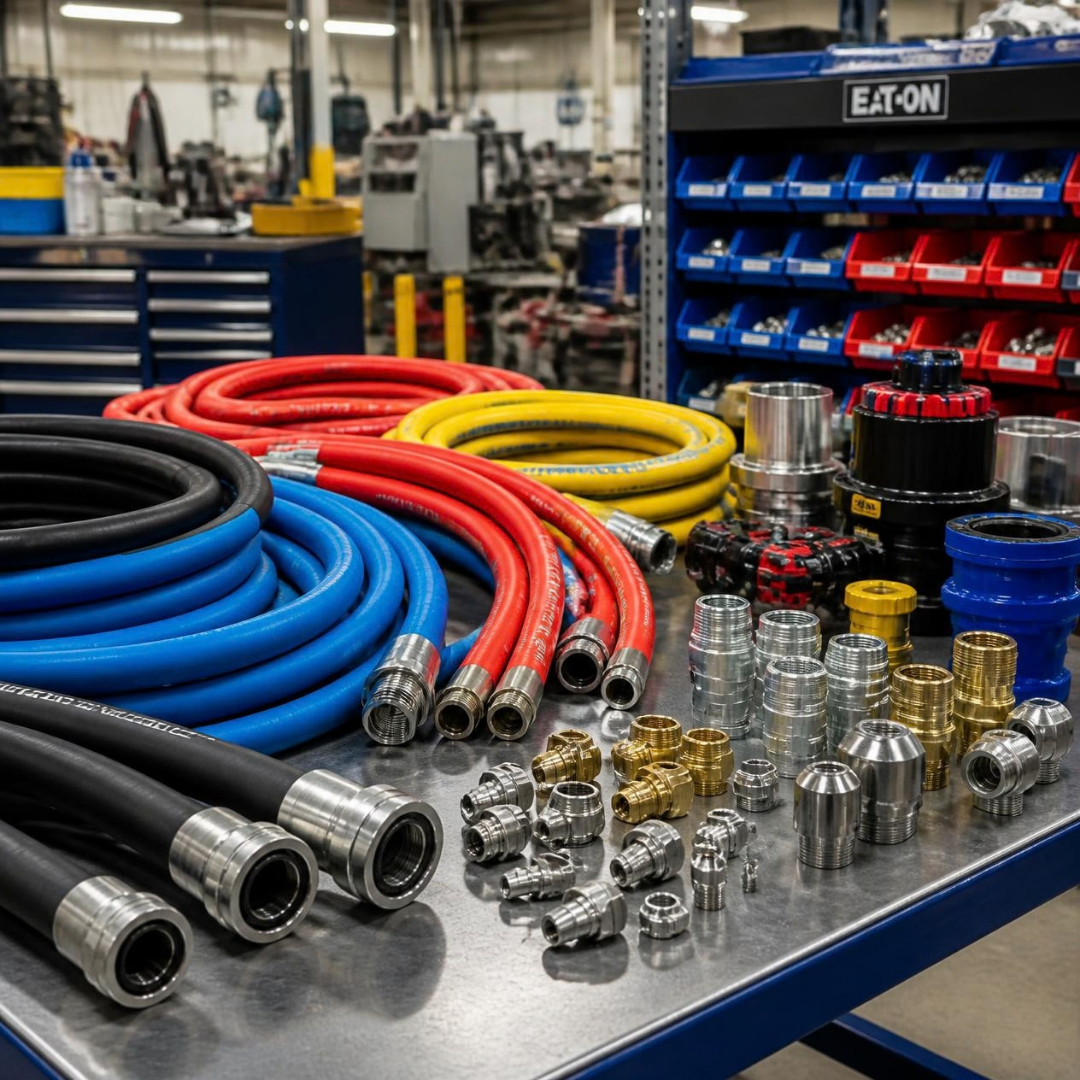
Don't wait for late-season failures. Use this mid-year equipment check to inspect hoses, fittings, and fluid systems before summer heat and heavy use take their toll.
June 16, 2026
Fast Access to Products Helps Keep Operations Moving
May 14, 2026
Growth is exciting for any business, but growth also creates new operational challenges behind the scenes. As companies expand locations, increase staffing, take on larger projects, or grow customer demand, supply management often becomes more complicated than expected. What once worked for a smaller operation can quickly become inefficient when purchasing needs, inventory usage, and daily operational demands begin scaling alongside the business. Without the right supply systems in place, growing businesses may experience delays, inconsistent inventory levels, rising costs, ordering inefficiencies, and operational disruptions that impact productivity. Successful growth depends on more than increasing revenue. It also requires dependable operational support systems that can scale with the business. Why Supply Management Becomes More Complex During Growth In the early stages of business growth, supply purchasing is often handled reactively. Teams place orders as needs arise, inventory may be tracked manually, and purchasing decisions are spread across multiple employees or departments. As operations expand, those processes can become difficult to manage efficiently. Growing businesses often encounter challenges such as: Inconsistent inventory availability Overstocking or underordering Multiple vendor coordination Rising procurement costs Delivery delays Lack of purchasing visibility Time lost managing supply orders Difficulty standardizing products across locations These issues may seem small individually, but over time they can create significant operational inefficiencies that slow productivity and impact customer experience. A scalable supply strategy helps businesses maintain consistency while supporting long-term growth. Standardization Improves Efficiency One of the most effective ways to simplify supply management during expansion is through standardization. Using consistent products, ordering processes, and inventory systems across departments or locations helps reduce confusion while improving purchasing efficiency. Standardization also makes it easier to forecast usage, manage inventory levels, and control operational costs. Businesses that standardize frequently benefit from: Simplified ordering processes More predictable inventory management Improved cost control Reduced waste Faster employee onboarding Better operational consistency As businesses grow, operational consistency becomes increasingly important to maintaining efficiency across teams and locations. Inventory Visibility Matters More Than Ever Inventory management becomes significantly more important as operational demands increase. Running out of essential supplies can disrupt workflows, delay projects, and create unnecessary stress for employees and customers alike. On the other hand, excessive inventory ties up storage space and operational capital. Having visibility into usage patterns, reorder timing, and inventory trends helps businesses make smarter purchasing decisions while reducing unnecessary spending. Many growing organizations benefit from: Scheduled delivery programs Usage tracking Inventory management support Consolidated ordering systems Vendor-managed inventory solutions These systems help create predictability while minimizing the risk of operational interruptions. Consolidating Vendors Simplifies Operations As businesses grow, working with too many suppliers can create unnecessary complexity. Managing multiple vendors often means: Separate invoices Different delivery schedules Inconsistent product quality More administrative work Communication challenges Increased ordering errors Partnering with a trusted supply provider that offers a broad range of products and dependable service can simplify procurement while improving operational efficiency. Consolidated supply management helps businesses streamline purchasing, reduce administrative burden, and create stronger vendor relationships that support long-term growth. Planning Ahead Prevents Disruptions Reactive purchasing becomes increasingly risky as operations scale. Supply shortages, shipping delays, seasonal demand fluctuations, and unexpected growth can quickly create operational challenges for businesses without a proactive supply strategy in place. Planning ahead allows businesses to: Maintain consistent inventory levels Anticipate seasonal demand increases Improve budget forecasting Reduce emergency purchasing Minimize downtime Improve operational continuity Businesses that build scalable procurement systems early are often better prepared to manage growth efficiently and avoid disruptions during expansion. The Role of Reliable Supply Partners Reliable supply partners become increasingly valuable as operational demands grow. Businesses need vendors that can provide: Consistent product availability Responsive customer service Flexible ordering options Fast delivery Industry expertise Inventory support Scalable solutions A strong supply partner does more than deliver products. They help businesses solve operational challenges, improve efficiency, and adapt as needs evolve over time. For many organizations, having dependable supply support allows internal teams to spend less time managing inventory issues and more time focusing on growth, customers, and day-to-day operations. Technology and Operational Efficiency Technology also plays a growing role in helping businesses scale supply management efficiently. Digital ordering platforms, inventory tracking systems, automated reorder processes, and purchasing analytics help businesses improve visibility and make more informed operational decisions. As businesses expand, technology-driven supply management can help reduce manual processes while improving accuracy, accountability, and efficiency across the organization. Companies that invest in organized procurement systems early are often better positioned for sustainable long-term growth. Growth Shouldn’t Create Operational Chaos The right systems, processes, and vendor relationships help businesses scale operations more efficiently while reducing unnecessary stress, delays, and operational disruptions. At Action Supply Inc., we help businesses simplify procurement and streamline supply management with dependable service, quality products, and scalable solutions designed to support long-term growth. From janitorial and facility supplies to operational essentials, our team works with businesses across industries to help keep operations running smoothly.  Contact Action Supply today to learn how we can help support your growing business with reliable supply solutions built for efficiency and scalability.