Winterizing Your Equipment: What to Do Now Before the First Cold Snap

December 16, 2025

As winter approaches, preparation becomes critical, especially when it comes to protecting valuable equipment. A sudden cold snap can cause costly damage, unexpected downtime, and safety risks across industries.


Taking proactive steps now can help extend equipment life, maintain performance, and avoid emergency repairs during the coldest months of the year.

Here’s what you should do before temperatures drop.


Why Winterization Matters


Cold weather affects equipment in multiple ways. Freezing temperatures can cause fluids to thicken or freeze, metal components to contract, seals to crack, and fuel systems to fail. Even in regions where freezes are brief, unprepared equipment is vulnerable.


Winterizing is more than just preventative maintenance, it’s an investment in operational continuity, safety, and cost control.


Inspect and Protect Fluid Systems


One of the most common cold-weather issues stems from fluids. Before winter arrives:

  • Drain or protect water lines to prevent freezing and bursting
  • Check antifreeze levels in applicable systems
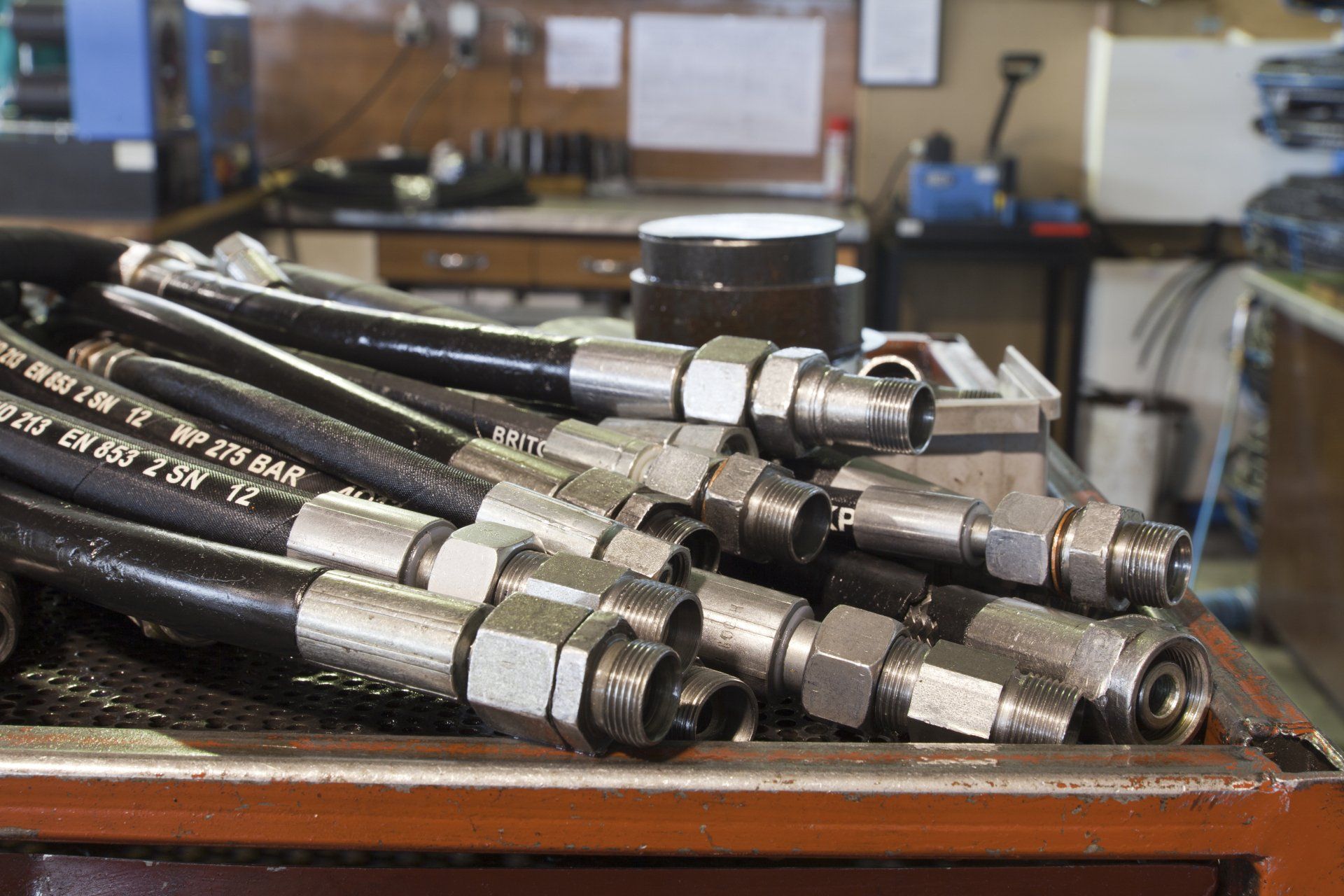
  • Inspect hydraulic and fuel lines for cracks or weak points
  • Use cold-weather-rated lubricants where recommended


For concrete and fuel systems especially, moisture control is essential. Even small amounts of water can freeze and cause significant damage.


Prepare Fuel Systems for Cold Weather


Cold temperatures can severely impact fuel systems if they aren’t properly maintained. Key steps include:

  • Treating fuel with cold-weather additives to prevent gelling
  • Ensuring fuel tanks are properly sealed to reduce condensation
  • Inspecting filters and replacing them if needed
  • Checking hoses and connections for brittleness or leaks


Fuel-related issues are one of the leading causes of winter downtime, but they’re often preventable with early preparation.


Marine Equipment: Don’t Wait Until It’s Too Late


Marine equipment faces unique winter challenges due to constant exposure to moisture. Before the first freeze:

  • Drain water systems completely
  • Protect engines and pumps with approved winterizing products
  • Inspect seals, fittings, and hoses
  • Store equipment properly or ensure adequate freeze protection


Even brief freezes can cause lasting damage if systems are not fully prepared.


Stock Up on Cold-Weather Essentials


Winter is not the time to realize you’re missing critical supplies. Make sure you have:

  • Cold-weather lubricants and additives
  • Replacement hoses, fittings, and seals
  • Protective covers or insulation materials
  • Maintenance and safety supplies needed for winter conditions


Having the right products on hand helps minimize delays and keeps operations running smoothly.


Prepare Now, Perform All Winter Long


Winter preparation is easier with the right support. Working with an experienced supplier ensures you have access to dependable products, knowledgeable guidance, and industry-specific solutions.


At Action Supply, we provide the products, parts, and expertise needed to help businesses prepare for winter with confidence. Reach out to our team today to ensure your equipment is ready before temperatures drop.

November 20, 2025
Finish the Year Strong with Smart, Strategic Purchasing
October 22, 2025
In the world of industrial supply, especially when it comes to hydraulic hoses and fittings, what truly sets a provider apart isn’t just product stock. It’s relationships . At Action Supply, we’ve built our business over four decades on more than inventory: we’ve built it on reliability, responsiveness, and customers trusting us as their go-to partner. The Local Partner Advantage Faster turnaround : Local on-site hose assemblies, quick access to inventory, and the ability to respond when downtime is unacceptable. We work hard to complete your projects with higher quality and fast turn around times. Better communication : You’re dealing with a team that knows your region, your industry, and your challenges—not a generic call center. Inventory you can count on : When your partner manages stock on-site or nearby, you’re less likely to face costly delays. Action Supply offers inventory management services to keep critical parts ready when you need them. Service & Support That Make the Difference Here’s how we add value for our customers year-round: Custom Hose Assemblies On-Site : We don’t just stock hoses; we build them to spec, on-site, matching exact lengths, fittings, and ratings so there’s no guess-work or field fabrication headaches. Consultation & Technical Guidance : Hydraulic systems are complex. We help customers select the right hose, fitting, and coupling for factors like pressure, fluid compatibility, abrasion, and environment. Speed When It Counts : Downtime kills productivity. Having a local partner means faster pick-up, faster delivery, and in many cases, faster problem resolution because we’re already on-site or nearby. Proactive Inventory Planning : From planned maintenance to emergency response, we partner with customers to anticipate needs rather than just react. A true partnership means fewer surprises. A Long-Term View: Why Trust Matters Relationships are built on consistency over time. At Action Supply, our “we’ve worked hard for over 40 years” mindset means we place value on being there for our customers today…and five, ten, twenty years down the road. That long-term presence gives customers the confidence to count on us for standard supply, for emergency replacement, and for growth scale-up. When you know your supply partner will show up, send the right part, understand your system, and back it with service, you’re not just buying hoses or fittings. You’re buying peace of mind. How to Make the Most of Your Supply Partner Here are a few actions to ensure your local supply relationship delivers maximum value: Treat them as part of your team : Share your upcoming projects, shutdown schedules, and maintenance plans with your supply partner. Engage early : Instead of reaching out only when a hose fails, loop in your supply partner during planning or design phases. Keep open communication : Share what matters to you (lead time, budget constraints, delivery windows) and let them tailor service accordingly. Leverage their expertise : Ask questions about alternatives, better materials, and long-term cost savings.  In industrial operations, margins are tight, downtime is costly, and every component matters. At Action Supply, we believe relationships matter because when you win, we win. And when you’re up against the clock, facing tough specs, or dealing with complex hydraulic systems, you’ll appreciate having a partner who’s local, dedicated, and backed by decades of experience.
September 17, 2025
When uptime, safety, and fluid integrity matter, choosing the correct fitting is the difference between a reliable system and unexpected downtime. The right fitting ensures a leak-free seal, matches pressure and fluid compatibility, and simplifies serviceability in the field. Action Supply builds and manages custom hose assemblies daily and can help match fittings to your exact application. Material Selection: Match the Environment Material choice impacts corrosion resistance, strength, and cost. Stainless steel (316 where marine exposure or salt spray is present) offers excellent corrosion resistance and strength for structural or submerged fittings. Brass is economical and machinable, and performs well in many freshwater or general industrial applications, but can corrode faster in saline environments. Choose material based on fluid chemistry, temperature, and exposure to salt or corrosives. A Practical Checklist for Choosing Fittings Identify the media: hydraulic oil, freshwater, saltwater, chemical — materials and sealing change accordingly. Confirm pressure & temperature ratings: match fittings and hose to the system’s max working and burst pressures. Match thread type and size: NPT ≠ BSP — use thread gauges or manufacturer tables if unsure. Choose sealing method: metal-to-metal (37° JIC/AN), ORFS face-seal, or thread-seal (NPT + tape/compound). Account for serviceability: will techs need to disconnect often? Choose fittings that tolerate repeated assembly. Plan for corrosion: in marine or corrosive environments choose 316 stainless, bronze, or specially coated parts. Document and label: record part numbers, thread specs, and orientation to remove guesswork on replacements. Installation & Testing Tips Use the correct torque spec for the fitting type; overtightening can damage seals or distort threads. For ORFS, always replace O-rings during reassembly and inspect sealing surfaces for nicks. For pipe threads (NPT), use appropriate thread sealant or PTFE tape and apply properly (direction, number of wraps). Pressure-test new assemblies at the manufacturer-recommended proof pressure before returning equipment to service. When to Call the Experts at Action Supply If your job is complex (mixed standards on site, high-pressure hydraulic systems, or marine installations), bring the assembly to the shop or have Action Supply’s on-site team build and verify the assembly. We offer on-site hose assemblies, inventory management, and industry-grade fittings (including Eaton/Weatherhead hoses and couplings) so you get the right part and verified performance the first time. Call (281) 315-3841 or use our contact form to request on-site assembly or inventory support.