Mid-Year Equipment Check: Are Your Supplies Holding Up?

July 16, 2026

We're halfway through the year, and if your crews have been running hard since January, your equipment has too. Hoses have flexed through thousands of cycles. Fittings have been torqued, vibrated, and re-torqued. Fluid systems have pushed through the first real heat of summer. Every one of those stresses adds up, and by the back half of the year, small issues that started in Q1 have a way of becoming Q3 and Q4 failures.


A mid-year equipment check isn't about waiting for something to break. It's about catching wear early, before it turns into a blown hose, a leaking fitting, or a job site shutdown during your busiest season. Here's what to look at, why it matters, and how to build a mid-year review into your maintenance routine.


Why a Mid-Year Check Matters


Most maintenance schedules are built around annual inspections, seasonal changeovers, or run-to-failure habits. The problem is that six months of continuous operation, especially through spring storms and early summer heat, puts a different kind of stress on equipment than the rest of the year.


A mid-year check gives you a clear read on:

  • How much wear your supplies have actually taken on since January
  • Which components are trending toward failure before they fail
  • Whether current inventory levels can support the second half of the year
  • What needs to be replaced now versus what can be monitored


Catching a problem in July is a scheduled repair. Catching the same problem in October, during peak season demand, is unplanned downtime.


What to Inspect: A Mid-Year Checklist


Hydraulic and Industrial Hoses


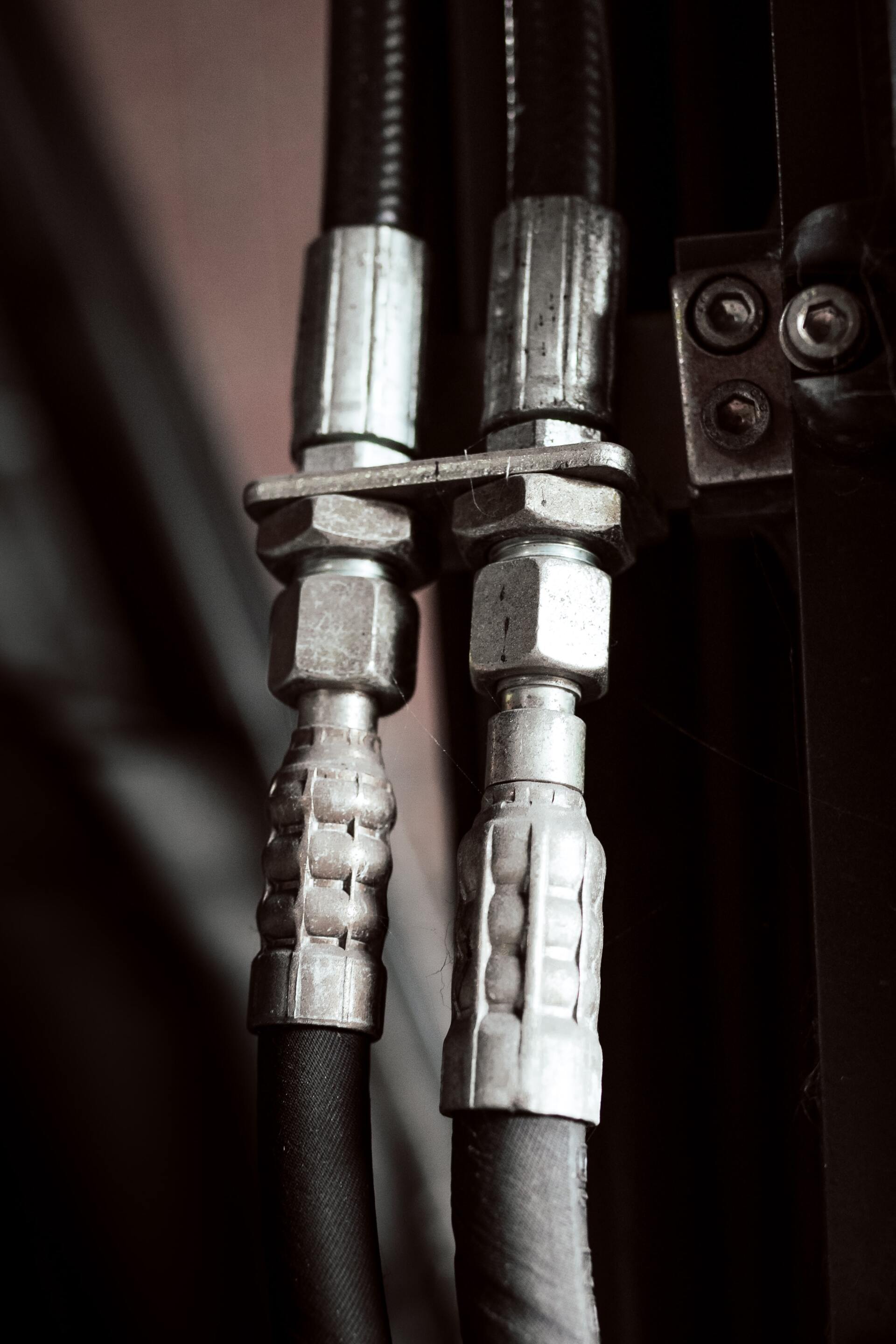
Hoses take on cumulative damage that isn't always visible from the outside. Heat cycling, UV exposure, and constant flexing break down rubber compounds over time, even if a hose looks fine at a glance.


At the mid-year mark, check for:

  • Cracking, abrasion, or blistering along the hose body
  • Soft or spongy sections that suggest internal delamination
  • Kinks or twists restricting flow
  • Corrosion or wear at crimps and end fittings
  • Discoloration from heat exposure


If a hose is questionable, replace it now. A new hose assembly costs far less than the downtime, safety risk, or secondary damage caused by a failure in the field.


Fittings and Connections


Fittings loosen and wear gradually, often without any obvious warning sign until a leak shows up. Vibration, pressure spikes, and thermal cycling all accelerate this process over the course of several months of operation.


Check fitting torque, thread engagement, and seal condition. Look closely for fretting, the small surface damage that shows up where a connection has been under constant micro-movement. It's an early indicator that vibration is stressing the joint and that a failure may not be far behind.


Fluid and Fuel Systems


Hydraulic oil, coolant, and fuel all degrade with time and use, not just mileage or hours on the clock. Oxidation, water intrusion, and additive breakdown reduce fluid performance and can accelerate corrosion inside lines and components.


A mid-year check is a good checkpoint to:

  • Review fluid levels, color, and clarity
  • Watch for foaming or cloudiness, both signs of aeration or contamination
  • Confirm you're on schedule with OEM-recommended fluid change intervals
  • Send samples for fluid analysis if your operation runs a testing program


Fasteners and Hardware


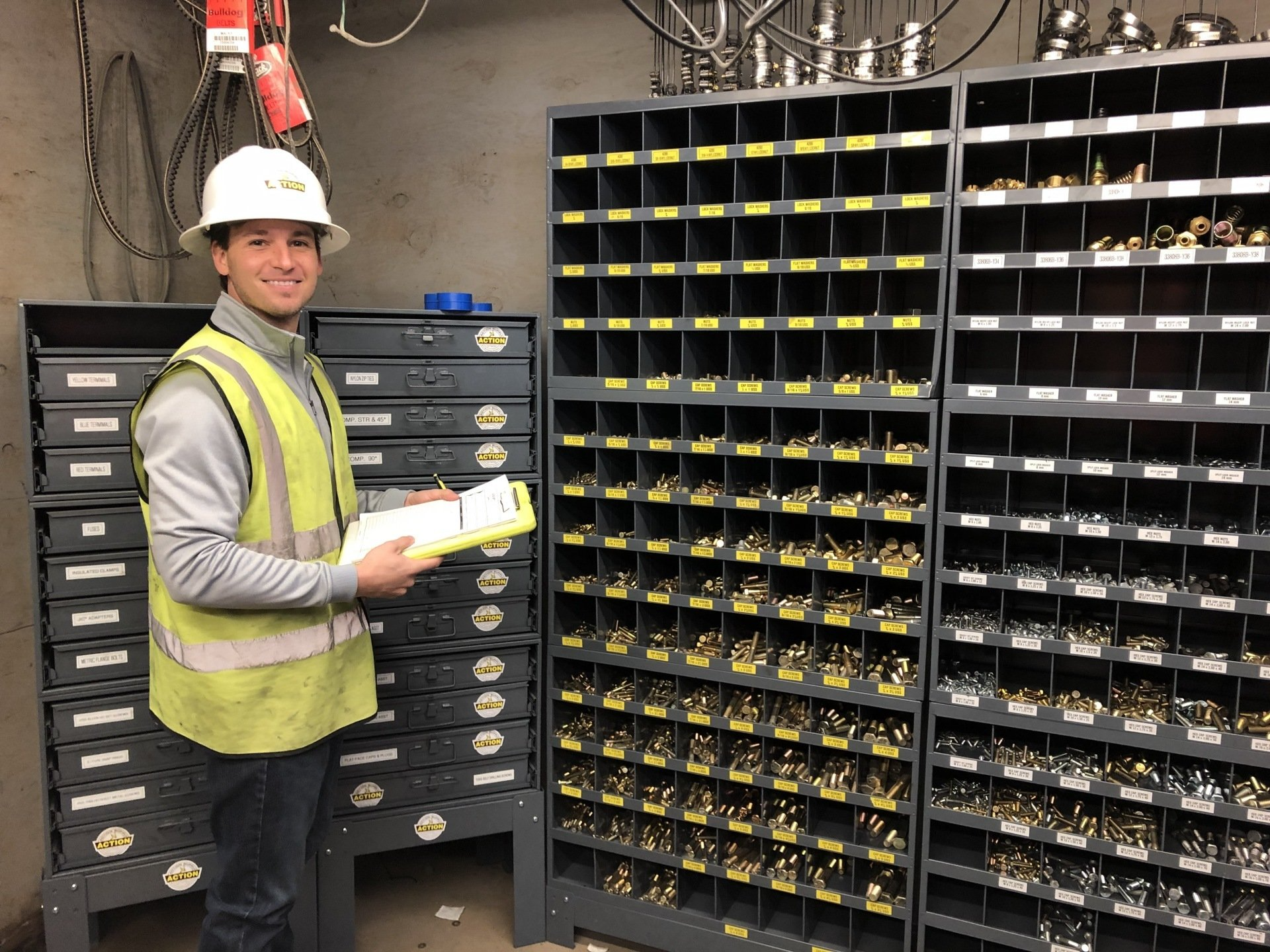
Fasteners take a beating from vibration, thermal expansion, and repeated load cycles. A mid-year walk-through should include checking for loose, corroded, or stripped hardware, especially on equipment that runs daily or operates in harsh environmental conditions.


PPE and Safety Supplies


It's easy to focus a supply review on hoses and fittings and overlook PPE, but six months of wear on gloves, eyewear, and protective gear adds up just as fast. Damaged or worn safety supplies put crews at risk. A mid-year check is the right time to restock and replace anything that's showing wear.


Common Warning Signs You Shouldn't Ignore


If you notice any of the following during a mid-year inspection, treat it as a priority, not a maintenance item to revisit later:

  • Wet spots or seepage around fittings and hose connections
  • Unusual noise or sluggish response from hydraulic components
  • Rising operating temperatures without a clear cause
  • Frequent need to top off fluid levels
  • Visible rust staining near connection points


These are the kinds of signs that, left unaddressed, tend to escalate quickly once equipment moves into heavier late-season use.


Turning a Mid-Year Check Into a Habit


A one-time inspection helps, but the real value comes from making a mid-year review part of your standard operating procedure. A few ways to build that consistency:

  • Set a recurring inspection date. Tie it to a fixed point on the calendar, like the start of Q3, so it doesn't get skipped during busy stretches.
  • Standardize your checklist. Use the same inspection criteria across equipment and locations so nothing gets missed and results are easy to compare year over year.
  • Track what gets replaced. Keeping a record of hose, fitting, and fastener replacements helps identify patterns, like recurring failure points or components that consistently underperform.
  • Review your inventory alongside your equipment. A mid-year equipment check is also the right time to confirm you have the replacement parts, hoses, and fittings on hand to act quickly on what you find.


Frequently Asked Questions


How often should hydraulic hoses be inspected? Most manufacturers recommend a visual inspection every 6 to 12 months, with replacement based on condition rather than age alone. A mid-year check is a natural point to fit this in, especially for hoses that see high cycle counts or run in extreme temperatures.


What's the biggest risk of skipping a mid-year equipment check? The biggest risk is discovering a failing component during peak season, when the cost of downtime is highest and lead times for replacement parts can be longer due to demand. Catching wear mid-year turns an emergency repair into a planned one.


What tools do I need to do a mid-year inspection? Most of the checklist above doesn't require special tools. A thorough visual inspection, checking for cracking, leaks, corrosion, and unusual wear, can catch the majority of developing issues before they become failures.


Should I replace parts that still look functional? If a hose, fitting, or piece of hardware is showing early signs of wear, such as soft spots, fretting, or discoloration, it's generally more cost-effective to replace it proactively than to wait for it to fail during operation.


Can Action Supply help with a mid-year inventory and inspection review? Yes. Our team can help assess current inventory levels, identify supplies that need replacing, and make sure you're stocked with the hoses, fittings, fasteners, and PPE needed to get through the second half of the year without disruption.


The Bottom Line


Equipment doesn't fail all at once. It wears down gradually, and by mid-year, six months of heat, vibration, and continuous use have already left their mark. A proactive mid-year check gives you the chance to catch that wear early, before it turns into a late-season failure that stops a job site cold.


At Action Supply Inc, we've spent over 40 years helping Houston-area businesses stay ahead of equipment failures with quality hoses, fittings, fasteners, PPE, and the inventory support to back it all up. Whether you need a fast restock, custom hose assemblies, or help reviewing what your operation needs for the rest of the year, our team is ready to help.


Contact Action Supply today to schedule a mid-year supply review and keep your equipment running strong through the second half of the year.
June 16, 2026
Fast Access to Products Helps Keep Operations Moving
May 14, 2026
Growth is exciting for any business, but growth also creates new operational challenges behind the scenes. As companies expand locations, increase staffing, take on larger projects, or grow customer demand, supply management often becomes more complicated than expected. What once worked for a smaller operation can quickly become inefficient when purchasing needs, inventory usage, and daily operational demands begin scaling alongside the business. Without the right supply systems in place, growing businesses may experience delays, inconsistent inventory levels, rising costs, ordering inefficiencies, and operational disruptions that impact productivity. Successful growth depends on more than increasing revenue. It also requires dependable operational support systems that can scale with the business. Why Supply Management Becomes More Complex During Growth In the early stages of business growth, supply purchasing is often handled reactively. Teams place orders as needs arise, inventory may be tracked manually, and purchasing decisions are spread across multiple employees or departments. As operations expand, those processes can become difficult to manage efficiently. Growing businesses often encounter challenges such as: Inconsistent inventory availability Overstocking or underordering Multiple vendor coordination Rising procurement costs Delivery delays Lack of purchasing visibility Time lost managing supply orders Difficulty standardizing products across locations These issues may seem small individually, but over time they can create significant operational inefficiencies that slow productivity and impact customer experience. A scalable supply strategy helps businesses maintain consistency while supporting long-term growth. Standardization Improves Efficiency One of the most effective ways to simplify supply management during expansion is through standardization. Using consistent products, ordering processes, and inventory systems across departments or locations helps reduce confusion while improving purchasing efficiency. Standardization also makes it easier to forecast usage, manage inventory levels, and control operational costs. Businesses that standardize frequently benefit from: Simplified ordering processes More predictable inventory management Improved cost control Reduced waste Faster employee onboarding Better operational consistency As businesses grow, operational consistency becomes increasingly important to maintaining efficiency across teams and locations. Inventory Visibility Matters More Than Ever Inventory management becomes significantly more important as operational demands increase. Running out of essential supplies can disrupt workflows, delay projects, and create unnecessary stress for employees and customers alike. On the other hand, excessive inventory ties up storage space and operational capital. Having visibility into usage patterns, reorder timing, and inventory trends helps businesses make smarter purchasing decisions while reducing unnecessary spending. Many growing organizations benefit from: Scheduled delivery programs Usage tracking Inventory management support Consolidated ordering systems Vendor-managed inventory solutions These systems help create predictability while minimizing the risk of operational interruptions. Consolidating Vendors Simplifies Operations As businesses grow, working with too many suppliers can create unnecessary complexity. Managing multiple vendors often means: Separate invoices Different delivery schedules Inconsistent product quality More administrative work Communication challenges Increased ordering errors Partnering with a trusted supply provider that offers a broad range of products and dependable service can simplify procurement while improving operational efficiency. Consolidated supply management helps businesses streamline purchasing, reduce administrative burden, and create stronger vendor relationships that support long-term growth. Planning Ahead Prevents Disruptions Reactive purchasing becomes increasingly risky as operations scale. Supply shortages, shipping delays, seasonal demand fluctuations, and unexpected growth can quickly create operational challenges for businesses without a proactive supply strategy in place. Planning ahead allows businesses to: Maintain consistent inventory levels Anticipate seasonal demand increases Improve budget forecasting Reduce emergency purchasing Minimize downtime Improve operational continuity Businesses that build scalable procurement systems early are often better prepared to manage growth efficiently and avoid disruptions during expansion. The Role of Reliable Supply Partners Reliable supply partners become increasingly valuable as operational demands grow. Businesses need vendors that can provide: Consistent product availability Responsive customer service Flexible ordering options Fast delivery Industry expertise Inventory support Scalable solutions A strong supply partner does more than deliver products. They help businesses solve operational challenges, improve efficiency, and adapt as needs evolve over time. For many organizations, having dependable supply support allows internal teams to spend less time managing inventory issues and more time focusing on growth, customers, and day-to-day operations. Technology and Operational Efficiency Technology also plays a growing role in helping businesses scale supply management efficiently. Digital ordering platforms, inventory tracking systems, automated reorder processes, and purchasing analytics help businesses improve visibility and make more informed operational decisions. As businesses expand, technology-driven supply management can help reduce manual processes while improving accuracy, accountability, and efficiency across the organization. Companies that invest in organized procurement systems early are often better positioned for sustainable long-term growth. Growth Shouldn’t Create Operational Chaos The right systems, processes, and vendor relationships help businesses scale operations more efficiently while reducing unnecessary stress, delays, and operational disruptions. At Action Supply Inc., we help businesses simplify procurement and streamline supply management with dependable service, quality products, and scalable solutions designed to support long-term growth. From janitorial and facility supplies to operational essentials, our team works with businesses across industries to help keep operations running smoothly.  Contact Action Supply today to learn how we can help support your growing business with reliable supply solutions built for efficiency and scalability.
April 17, 2026
When equipment is running full throttle, the last thing you want to think about is your fuel and fluid systems. But the truth is, those systems are doing a lot of heavy lifting behind the scenes and when they're not properly maintained, everything stops. This guide breaks down what you need to know to keep your systems healthy, catch problems early, and avoid costly downtime. What Are Fuel and Fluid Systems, and Why Do They Matter? Fuel and fluid systems are the circulatory network of any piece of industrial equipment. They move hydraulic oil, diesel fuel, coolant, lubricants, and other media through hoses, lines, fittings, pumps, and reservoirs to power actuators, cool engines, reduce friction, and transfer energy. These systems operate under pressure. They deal with heat, vibration, chemical exposure, and constant mechanical stress. When a single component fails — a cracked hose, a leaking fitting, a clogged filter — the entire system can be compromised. In industries like oil and gas, construction, maritime, and heavy manufacturing, that kind of failure doesn't just cause a repair bill. It causes project delays, safety risks, and unplanned downtime that ripples across an entire operation. Common Causes of Fuel and Fluid System Failures Understanding what causes failures is the first step toward preventing them. Across industries, the most common culprits include: Hose Degradation Industrial hoses have a service life. Over time, rubber compounds break down due to heat cycling, UV exposure, chemical interaction, and physical abrasion. Hoses that look fine externally may be compromised internally, with tube separation or liner deterioration that restricts flow or introduces contamination. Fitting and Connection Failures A fitting that's been over-torqued, under-torqued, or installed with the wrong thread type will eventually leak. Vibration and pressure spikes accelerate this process. In hydraulic systems especially, even a small leak at a fitting can indicate a larger pressure integrity issue. Contamination Particle contamination is one of the leading causes of hydraulic system damage. Dirt, metal shavings, and degraded fluid can score pump components, clog valves, and accelerate wear across the entire system. Contamination typically enters through improper maintenance practices, damaged seals, or poorly sealed reservoirs. Improper Hose Routing and Clamping A hose that rubs against a frame, runs too close to a heat source, or isn't properly supported at connection points will wear prematurely. Good routing and the right clamping hardware extend hose life significantly. Fluid Degradation Hydraulic oil, coolant, and fuel all degrade over time. Oxidation, water intrusion, and additive breakdown reduce fluid effectiveness and can promote corrosion inside lines and components. How to Maintain Fuel and Fluid Systems Across Industries Maintenance requirements vary by application, but the core principles are consistent regardless of industry. Regular Visual Inspections Walk your equipment and look for early warning signs: wet spots around fittings, swelling or blistering on hose exteriors, rust staining near connections, or any evidence of seepage. In hydraulic systems, check reservoir fluid levels and look for foam or discoloration that may indicate aeration or contamination. Inspections don't require tools. A thorough visual check before and after operation can catch issues before they become failures. Scheduled Fluid Analysis and Changes Fluid analysis programs are standard practice in large fleet operations and for good reason. Sending oil samples to a lab gives you a picture of what's happening inside your system — particle counts, wear metals, water content, and additive levels — without taking anything apart. Even without a formal analysis program, following OEM-recommended fluid change intervals protects your equipment. Running degraded hydraulic fluid or fuel contaminated with water is one of the fastest ways to shorten component life. Hose Inspection and Replacement Protocols Hoses should be inspected on a defined schedule, not just when something goes wrong. Look for: Cracks, cuts, or abrasion along the hose body Kinking or twisting that restricts flow Corrosion or damage at end fittings and crimps Soft or spongy spots that indicate internal delamination Discoloration from heat exposure If you're unsure whether a hose is still within spec, replace it. The cost of a new hose assembly is a fraction of the cost of a system failure in the field. Fitting and Connection Checks During any maintenance interval, check fitting torque, thread engagement, and seal condition. Look for signs of fretting — small surface damage caused by micro-movement at a connection — which indicates vibration is stressing the joint. For high-pressure hydraulic lines, verify that the correct fitting standard is in use. Mixing fittings is a common source of leaks and long-term reliability problems. Contamination Control Use caps and plugs any time a hose or fitting is disconnected, even briefly. Keep fluid transfer containers clean and clearly labeled. Change filters on schedule and inspect them at each change for metallic debris or other signs of abnormal wear. For systems that are particularly contamination-sensitive, such as proportional or servo hydraulic systems, consider inline filtration upgrades. Frequently Asked Questions How often should hydraulic hoses be replaced? There's no single universal answer, but most manufacturers recommend a visual inspection every 6 to 12 months and replacement based on condition. Hoses subjected to high cycle counts, extreme temperatures, or aggressive media may need replacement more frequently. Age alone is a factor. Rubber hoses degrade over time regardless of use. What are the signs that a hydraulic system has contamination? Common signs include sluggish or erratic actuator response, increased operating temperature, unusual noise from the pump, accelerated component wear, and visible cloudiness or discoloration in the reservoir fluid. How do I choose the right hose for a fuel or hydraulic application? Hose selection depends on the media being conveyed, working pressure and temperature range, required bend radius, and the environment the hose will operate in. The STAMPED method — Size, Temperature, Application, Media, Pressure, Ends, Delivery — is a useful framework for specifying hoses correctly. What's the difference between a hydraulic fitting leak and a seal leak? A fitting leak typically comes from thread engagement, fitting torque, or mismatched standards. A seal leak comes from a compromised O-ring, backup ring, or face seal. Both need to be addressed promptly, but the repair approach is different. Can you build custom hose assemblies on-site? Yes. For operations that can't afford to wait on lead times, having a supplier capable of building hose assemblies to your exact specifications — and doing it on-site — makes a significant difference in how quickly you get back up and running. The Bottom Line: Small Components, Big Impact Fuel and fluid systems don't announce problems until it's too late, unless you're paying attention. A proactive maintenance approach built on regular inspections, scheduled fluid changes, and proper component selection keeps small issues from becoming operational shutdowns.  For Houston area crews, having a supply partner who understands these systems and can deliver the right parts quickly is part of what keeps operations moving. At Action Supply Inc, we've been supporting those operations for over 40 years. From hydraulic hose assemblies built to your specs to fittings, adapters, and maintenance supplies designed to hold up under real working conditions, we have what you need to stay productive.