5 Warning Signs Your Hydraulic Hoses Need Replacing Before Peak Season Hits

August 11, 2025

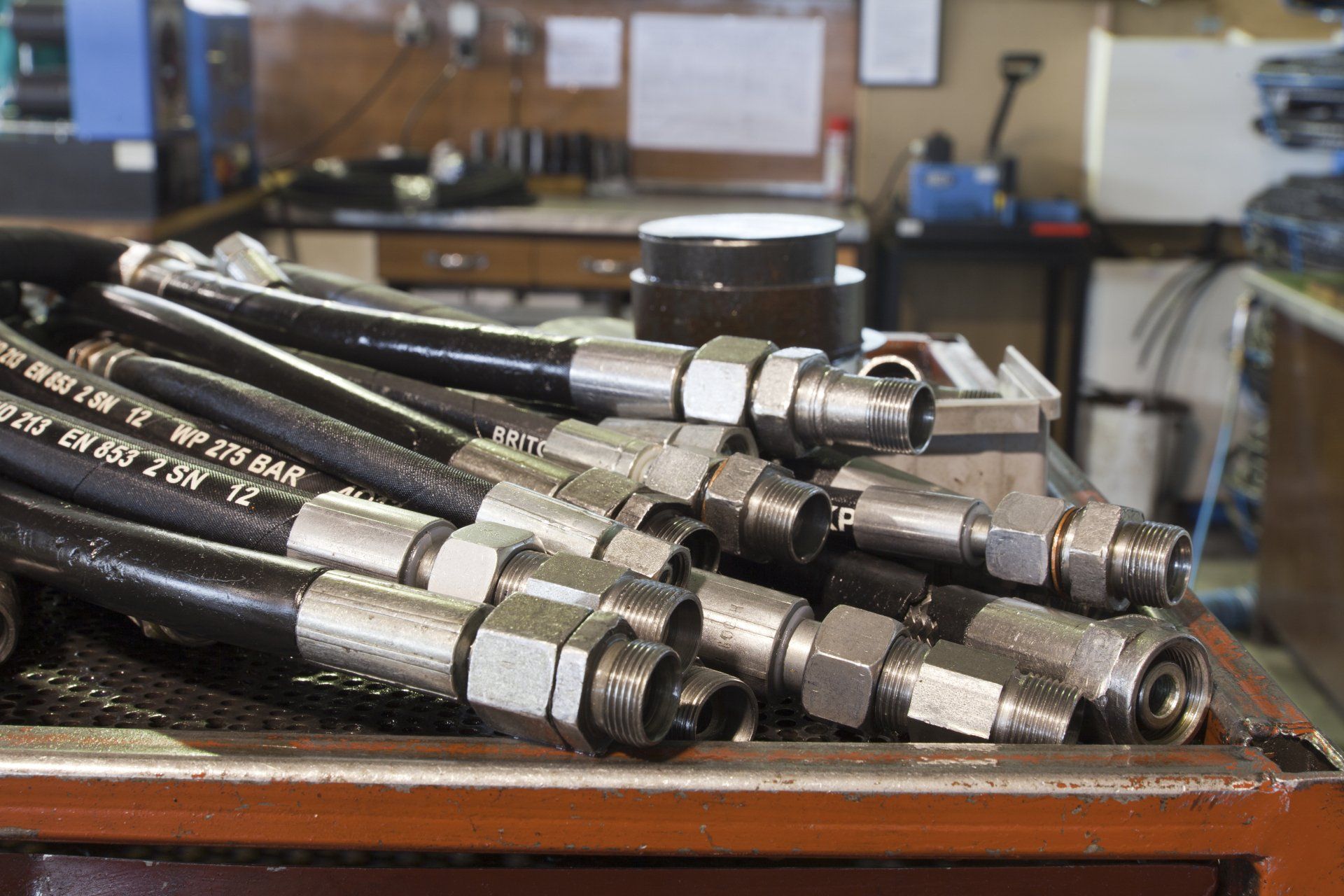
When productivity is on the line, a blown hydraulic hose can bring everything to a screeching halt. With peak season around the corner, now is the time to assess the condition of your hydraulic hoses and replace any at risk.


Here are five critical warning signs that indicate it’s time to replace your hoses:


1. Visible Cracks or Abrasions

Cuts, abrasions, cracking, or fraying along the outer cover are signs of wear from exposure to UV, heat, chemicals, or physical contact. This damage may seem minor, but it can quickly escalate under pressure.


2. Fluid Leakage

Leaks at fittings or along the hose body point to compromised integrity. Even minor seepage should be treated as a sign of a failing connection or weakened hose structure.


3. Deformation

A hose that’s been bent improperly or crushed can’t maintain proper pressure. Kinks restrict flow, weaken the internal structure, and often lead to sudden failure under load.


4. Stiff or Brittle Feel

Hydraulic hoses should be flexible yet firm. Over time, hydraulic hoses lose flexibility due to age or exposure to extreme temperatures. A hose that’s difficult to bend is a hose that’s ready to break.


5. Exceeding Service Life

Even if it looks fine, a hose that’s aged out of its recommended service window is a risk. Most hydraulic hoses should be replaced every 1–2 years, depending on usage and conditions.


Action Supply Has the Hose Solutions You Need

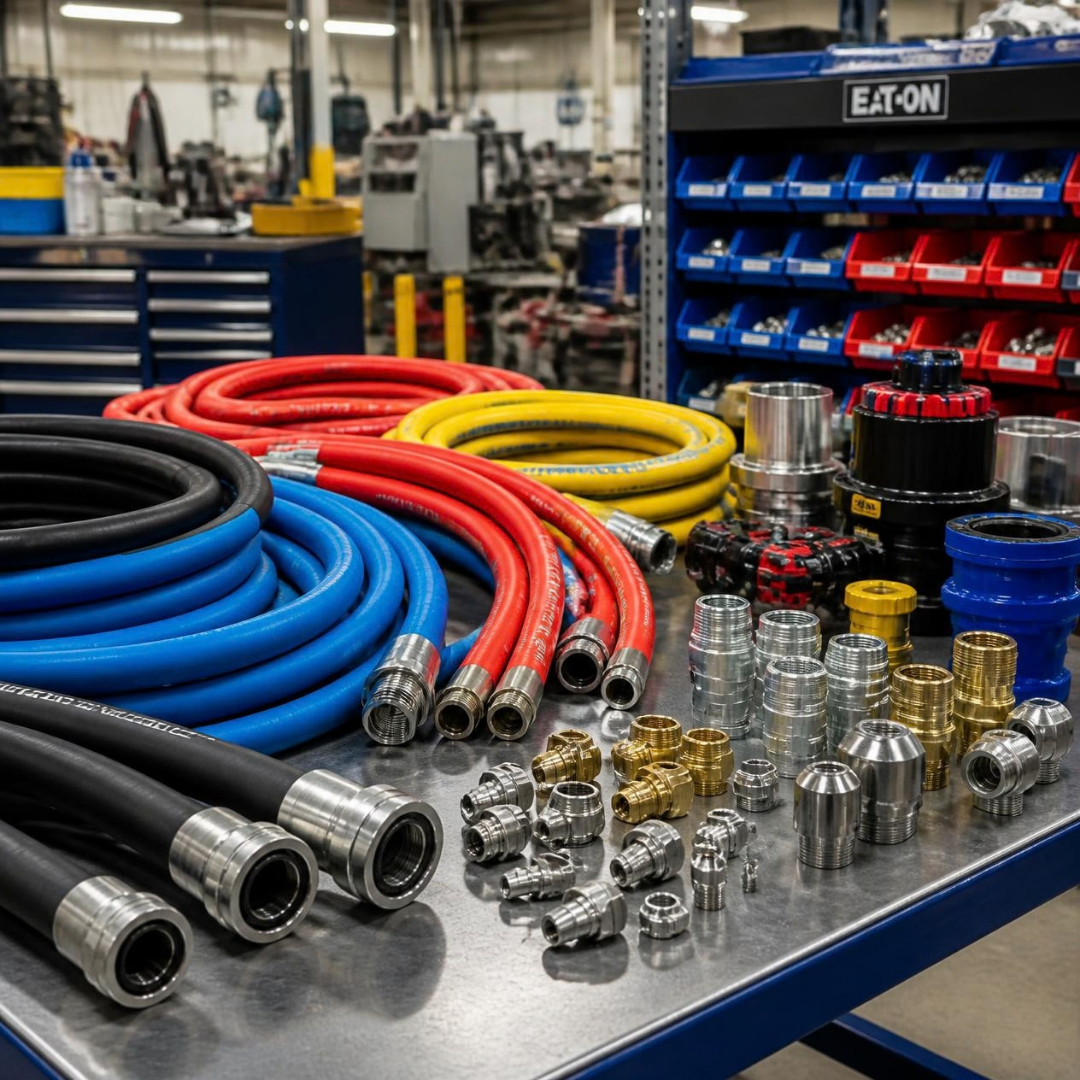
At Action Supply, we stock a full range of hydraulic hoses to keep your fleet running safely and efficiently.

Need help identifying the right hose? Our knowledgeable staff can help you choose the right replacement hoses, fittings, and accessories so you’re ready for whatever the season brings.


Stop in today, or contact us to schedule your hose replacement.

By Jayson Matos February 15, 2026
How Smart Product Selection Protects Reliability & Equipment Performance
January 14, 2026
The start of a new year is more than a calendar reset, it’s an opportunity to strengthen the systems that keep your business running efficiently. For industrial, commercial, and maintenance-driven operations, having the right supplies in place at the right time can mean the difference between staying productive or falling behind. Building a smarter supply strategy early in the year helps businesses control costs, reduce downtime, and remain competitive in an increasingly unpredictable supply environment. Here’s how to evaluate your needs, forecast usage, and put reliable systems in place for the year ahead. Why Strategic Supply Planning Matters Reactive purchasing often leads to higher costs, rushed decisions, and inconsistent inventory levels. Without a clear supply plan, businesses risk overordering, stockouts, and delays that impact operations and customer commitments. Strategic supply planning allows organizations to: Improve operational efficiency Reduce emergency purchases and downtime Stabilize pricing through better forecasting Build stronger supplier relationships When supply strategy is aligned with operational goals, purchasing becomes a competitive advantage, not just a necessity. Step 1: Evaluate Your Current Supply Usage The foundation of any effective supply strategy is understanding what you actually use. Reviewing historical purchasing data provides valuable insight into patterns, seasonality, and inefficiencies. Key questions to ask: Which products are used consistently throughout the year? Where do usage spikes or slowdowns occur? Which items frequently require rush orders or last-minute replenishment? Identifying high-use and critical items helps prioritize where planning and standardization will have the greatest impact. Step 2: Forecast Demand with Operational Input Accurate forecasting requires collaboration across departments. Operations, maintenance, and procurement teams all play a role in anticipating demand. Consider factors such as: Planned maintenance schedules Production volume expectations Seasonal workload fluctuations Equipment upgrades or expansions By incorporating operational insight into forecasting, businesses can better align inventory levels with real-world needs, reducing both excess stock and shortages. Step 3: Standardize Products and Vendors Standardization simplifies purchasing, improves consistency, and often reduces costs. Evaluating opportunities to standardize frequently used supplies—such as safety products, fasteners, tools, or consumables—can streamline procurement and inventory management. Working with a trusted supplier also provides access to product expertise, availability insights, and alternative solutions when supply challenges arise. Step 4: Set Systems in Place Early Establishing purchasing systems early in the year creates stability throughout the months ahead. This may include setting reorder points, implementing blanket orders, or coordinating scheduled deliveries for high-use items. Proactive systems reduce the need for emergency purchases and allow teams to focus on operations rather than constant supply management. Step 5: Build a Supply Partner, Not Just a Vendor A strong supply strategy goes beyond transactions. Partnering with a knowledgeable supplier adds value through product recommendations, inventory support, and responsiveness when challenges arise. The right supply partner understands your business, anticipates needs, and helps you adapt as conditions change throughout the year. How Action Supply Supports Smarter Supply Planning Action Supply works with businesses to develop supply strategies that support efficiency, reliability, and long-term success. By helping customers evaluate usage, identify opportunities for standardization, and implement dependable supply systems, Action Supply helps operations stay prepared, not reactive. Whether planning for routine maintenance, large-scale projects, or day-to-day operations, Action Supply provides the products and support businesses need to stay competitive all year. FAQs Why is supply planning important at the start of the year? Early planning helps businesses forecast demand, stabilize costs, and reduce disruptions caused by shortages or emergency purchases. How can businesses improve inventory efficiency? Evaluating usage data, forecasting demand, standardizing products, and working with a reliable supplier are key steps toward more efficient inventory management. What should a supply strategy include? A strong supply strategy includes usage evaluation, demand forecasting, product standardization, purchasing systems, and a trusted supply partner.
December 16, 2025
Follow these proactive steps to help extend equipment life, maintain performance, and avoid emergency repairs during the coldest months of the year.