Choosing the Right Fittings for Complex Jobs

September 17, 2025

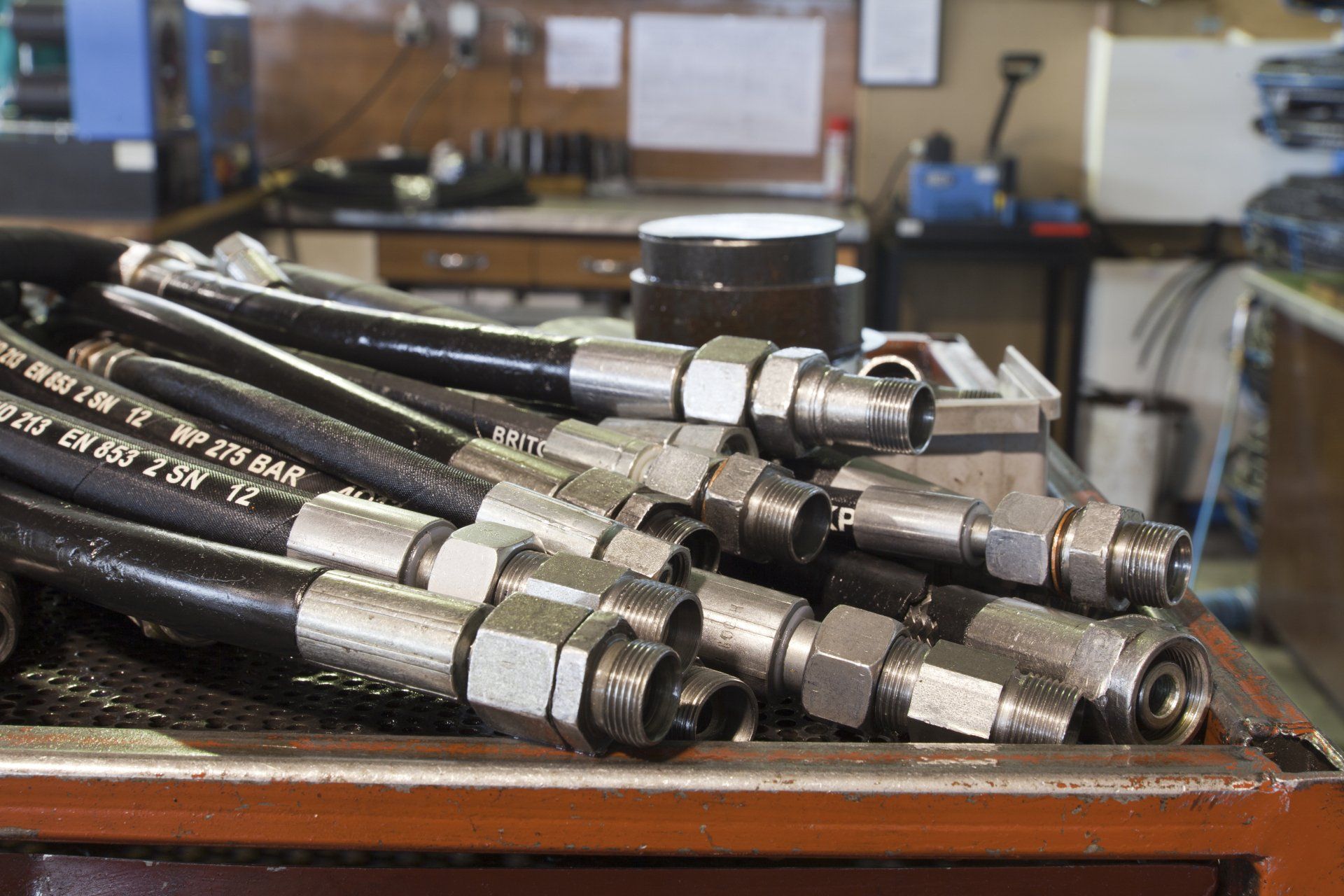
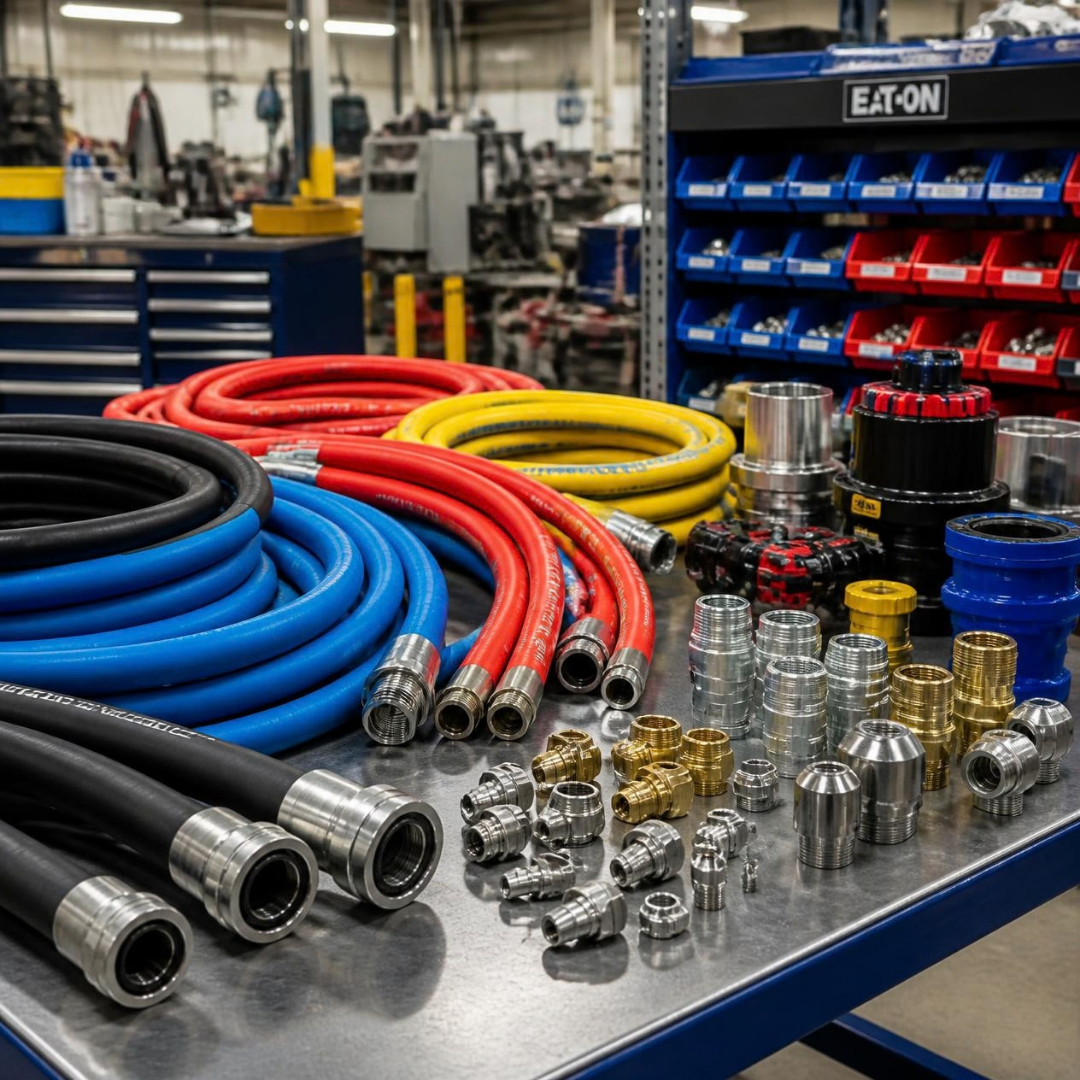
When uptime, safety, and fluid integrity matter, choosing the correct fitting is the difference between a reliable system and unexpected downtime. The right fitting ensures a leak-free seal, matches pressure and fluid compatibility, and simplifies serviceability in the field. Action Supply builds and manages custom hose assemblies daily and can help match fittings to your exact application.


Material Selection: Match the Environment

Material choice impacts corrosion resistance, strength, and cost. Stainless steel (316 where marine exposure or salt spray is present) offers excellent corrosion resistance and strength for structural or submerged fittings. Brass is economical and machinable, and performs well in many freshwater or general industrial applications, but can corrode faster in saline environments. Choose material based on fluid chemistry, temperature, and exposure to salt or corrosives.


A Practical Checklist for Choosing Fittings

  1. Identify the media: hydraulic oil, freshwater, saltwater, chemical — materials and sealing change accordingly.
  2. Confirm pressure & temperature ratings: match fittings and hose to the system’s max working and burst pressures.
  3. Match thread type and size: NPT ≠ BSP — use thread gauges or manufacturer tables if unsure.
  4. Choose sealing method: metal-to-metal (37° JIC/AN), ORFS face-seal, or thread-seal (NPT + tape/compound).
  5. Account for serviceability: will techs need to disconnect often? Choose fittings that tolerate repeated assembly.
  6. Plan for corrosion: in marine or corrosive environments choose 316 stainless, bronze, or specially coated parts.
  7. Document and label: record part numbers, thread specs, and orientation to remove guesswork on replacements.


Installation & Testing Tips

  • Use the correct torque spec for the fitting type; overtightening can damage seals or distort threads.
  • For ORFS, always replace O-rings during reassembly and inspect sealing surfaces for nicks.
  • For pipe threads (NPT), use appropriate thread sealant or PTFE tape and apply properly (direction, number of wraps).
  • Pressure-test new assemblies at the manufacturer-recommended proof pressure before returning equipment to service.


When to Call the Experts at Action Supply

If your job is complex (mixed standards on site, high-pressure hydraulic systems, or marine installations), bring the assembly to the shop or have Action Supply’s on-site team build and verify the assembly. We offer on-site hose assemblies, inventory management, and industry-grade fittings (including Eaton/Weatherhead hoses and couplings) so you get the right part and verified performance the first time.

Call (281) 315-3841 or use our contact form to request on-site assembly or inventory support.

January 14, 2026
The start of a new year is more than a calendar reset, it’s an opportunity to strengthen the systems that keep your business running efficiently. For industrial, commercial, and maintenance-driven operations, having the right supplies in place at the right time can mean the difference between staying productive or falling behind. Building a smarter supply strategy early in the year helps businesses control costs, reduce downtime, and remain competitive in an increasingly unpredictable supply environment. Here’s how to evaluate your needs, forecast usage, and put reliable systems in place for the year ahead. Why Strategic Supply Planning Matters Reactive purchasing often leads to higher costs, rushed decisions, and inconsistent inventory levels. Without a clear supply plan, businesses risk overordering, stockouts, and delays that impact operations and customer commitments. Strategic supply planning allows organizations to: Improve operational efficiency Reduce emergency purchases and downtime Stabilize pricing through better forecasting Build stronger supplier relationships When supply strategy is aligned with operational goals, purchasing becomes a competitive advantage, not just a necessity. Step 1: Evaluate Your Current Supply Usage The foundation of any effective supply strategy is understanding what you actually use. Reviewing historical purchasing data provides valuable insight into patterns, seasonality, and inefficiencies. Key questions to ask: Which products are used consistently throughout the year? Where do usage spikes or slowdowns occur? Which items frequently require rush orders or last-minute replenishment? Identifying high-use and critical items helps prioritize where planning and standardization will have the greatest impact. Step 2: Forecast Demand with Operational Input Accurate forecasting requires collaboration across departments. Operations, maintenance, and procurement teams all play a role in anticipating demand. Consider factors such as: Planned maintenance schedules Production volume expectations Seasonal workload fluctuations Equipment upgrades or expansions By incorporating operational insight into forecasting, businesses can better align inventory levels with real-world needs, reducing both excess stock and shortages. Step 3: Standardize Products and Vendors Standardization simplifies purchasing, improves consistency, and often reduces costs. Evaluating opportunities to standardize frequently used supplies—such as safety products, fasteners, tools, or consumables—can streamline procurement and inventory management. Working with a trusted supplier also provides access to product expertise, availability insights, and alternative solutions when supply challenges arise. Step 4: Set Systems in Place Early Establishing purchasing systems early in the year creates stability throughout the months ahead. This may include setting reorder points, implementing blanket orders, or coordinating scheduled deliveries for high-use items. Proactive systems reduce the need for emergency purchases and allow teams to focus on operations rather than constant supply management. Step 5: Build a Supply Partner, Not Just a Vendor A strong supply strategy goes beyond transactions. Partnering with a knowledgeable supplier adds value through product recommendations, inventory support, and responsiveness when challenges arise. The right supply partner understands your business, anticipates needs, and helps you adapt as conditions change throughout the year. How Action Supply Supports Smarter Supply Planning Action Supply works with businesses to develop supply strategies that support efficiency, reliability, and long-term success. By helping customers evaluate usage, identify opportunities for standardization, and implement dependable supply systems, Action Supply helps operations stay prepared, not reactive. Whether planning for routine maintenance, large-scale projects, or day-to-day operations, Action Supply provides the products and support businesses need to stay competitive all year. FAQs Why is supply planning important at the start of the year? Early planning helps businesses forecast demand, stabilize costs, and reduce disruptions caused by shortages or emergency purchases. How can businesses improve inventory efficiency? Evaluating usage data, forecasting demand, standardizing products, and working with a reliable supplier are key steps toward more efficient inventory management. What should a supply strategy include? A strong supply strategy includes usage evaluation, demand forecasting, product standardization, purchasing systems, and a trusted supply partner.
December 16, 2025
Follow these proactive steps to help extend equipment life, maintain performance, and avoid emergency repairs during the coldest months of the year.
November 20, 2025
Finish the Year Strong with Smart, Strategic Purchasing