Avoiding Costly Cold-Weather Equipment Failures
Cold weather can create expensive problems for industrial equipment, especially when maintenance and preparation are put off until temperatures drop.
From cracked hoses and leaking fittings to thickened fluids and frozen water lines, even a brief cold snap can interrupt operations. For crews working in construction, manufacturing, energy, and marine industries, an unexpected equipment failure can mean more than a repair bill. It can lead to lost productivity, project delays, and safety concerns.
In Houston, freezing temperatures may be less frequent than in northern regions, but that makes preparation no less important.
The good news? Many cold-weather equipment failures can be prevented with routine inspections, proper component selection, and a little planning before winter arrives.
How Cold Weather Affects Industrial Equipment
Temperature changes can affect the materials and fluids that industrial systems depend on. As temperatures drop, several problems become more likely:
- Reduced hose flexibility: Some rubber and hydraulic hoses become stiffer in cold conditions, increasing the risk of damage when flexed beyond their operating limits.
- Fluid thickening: Hydraulic oils and lubricants become more viscous at lower temperatures, potentially affecting flow, lubrication, and equipment performance.
- Seal and fitting problems: Temperature changes can affect sealing materials and connections, contributing to leaks in components that are already worn or damaged.
- Frozen water: Water trapped in hoses, pumps, or piping can expand when frozen, cracking components and disrupting operations.
- Fuel system issues: Certain diesel fuels can develop wax crystals in cold temperatures, restricting filters and fuel flow.
These issues can affect equipment differently depending on its design, operating environment, and maintenance history. Understanding where your systems are most vulnerable is the first step toward preventing failures.
5 Ways to Prevent Cold-Weather Equipment Failures
1. Inspect Hoses and Fittings Before Temperatures Drop
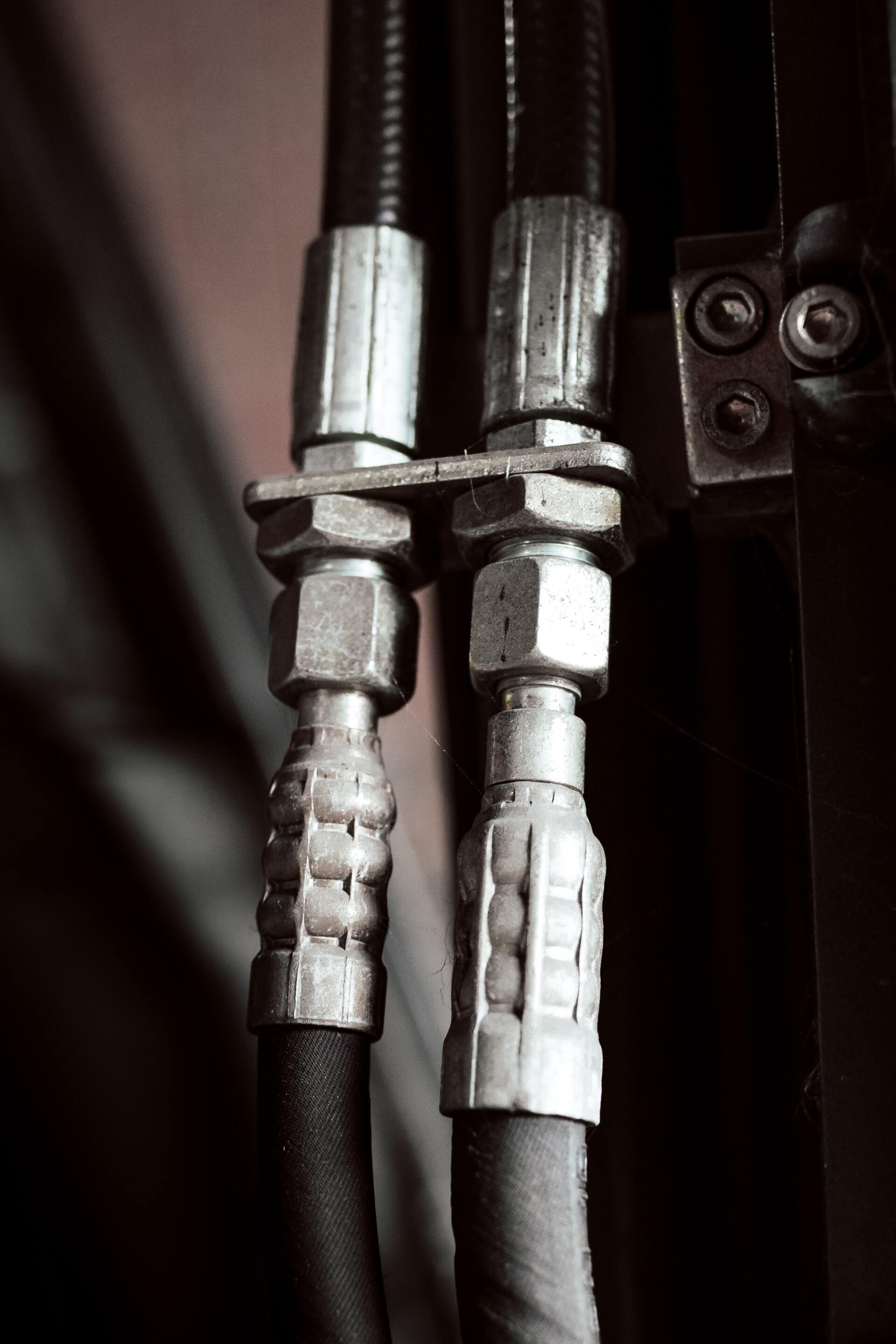
Hoses and fittings experience constant exposure to pressure, vibration, temperature changes, and everyday wear. Cold weather can make existing weaknesses more apparent.
Before winter, inspect your equipment for:
- Cracks, abrasions, bulges, or damaged hose covers
- Leaks around fittings and connections
- Corrosion or damaged threads
- Kinked, twisted, or improperly routed hoses
- Worn seals and loose or damaged connections
Replace compromised components before they fail in service. When selecting replacements, confirm that the hose, fittings, and seals are compatible with the application's pressure, temperature, and fluid requirements.
For additional guidance, read our article on how extreme temperatures affect hydraulic hoses.
2. Check Fluids and Protect Against Freezing
Cold temperatures can change how fluids behave inside equipment. Hydraulic oil may become too thick for efficient operation, while water trapped in exposed lines can freeze and damage components.
Before the first cold snap:
- Verify that hydraulic fluids and lubricants meet manufacturer recommendations for expected temperatures.
- Check coolant concentration and freeze protection where applicable.
- Inspect fuel systems for moisture contamination and maintain filters.
- Drain or properly protect water-carrying systems that may be exposed to freezing temperatures.
- Follow equipment-specific cold-start and warm-up procedures.
Avoid assuming that a fluid or lubricant suitable for summer conditions will perform equally well in winter.
3. Protect Equipment and Replacement Parts
Proper storage and protection can make a significant difference in equipment reliability.
When possible, keep unused hoses, fittings, and replacement components in a clean, dry, protected environment. Use appropriate protective caps and plugs to prevent moisture and contamination from entering stored assemblies.
For equipment that remains outdoors, inspect exposed components and use manufacturer-approved insulation or protective coverings where appropriate.
Marine and construction equipment may require additional attention because of frequent exposure to water, moisture, and changing weather conditions.
Taking these precautions can help preserve component condition and reduce the likelihood of problems when equipment is put back into service.
4. Keep Critical Replacement Parts Available
Even with preventive maintenance, equipment failures can happen. The difference between a minor repair and a prolonged shutdown often comes down to having the right replacement parts available.
Review your inventory before winter and identify components that could interrupt operations if they fail.
Depending on your equipment, these may include:
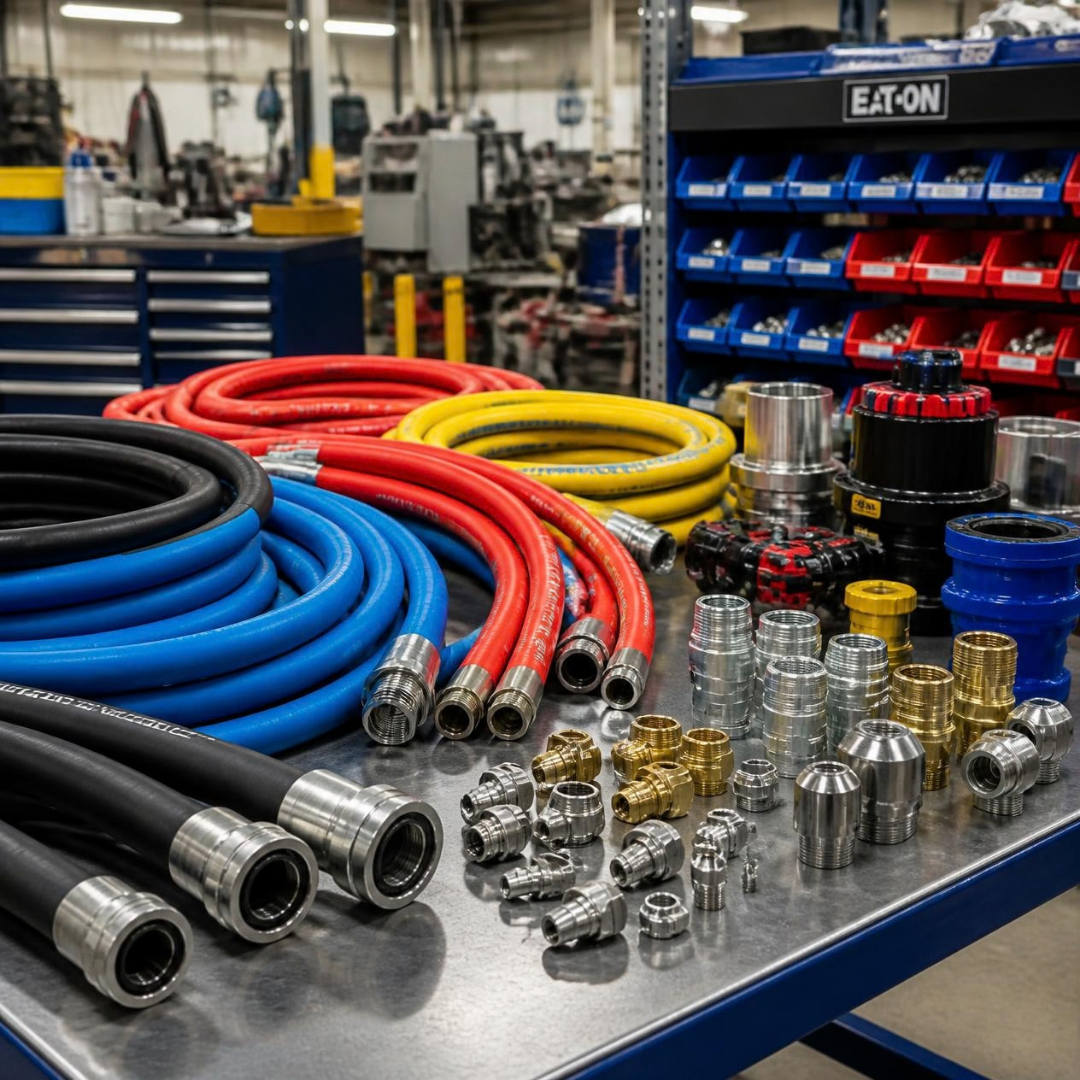
- Hydraulic and industrial hose assemblies
- Fittings, adapters, and couplings
- Replacement seals and gaskets
- Filters and fluid system components
- Approved lubricants and maintenance supplies
Prioritize parts that are frequently replaced, difficult to source, or essential to critical equipment.
Action Supply's article on building a smarter supply strategy offers additional insight into planning inventory and reducing emergency purchases.
5. Establish a Cold-Weather Maintenance Plan
Winter preparation shouldn't depend on remembering a checklist when freezing weather is already in the forecast.
Establish a seasonal maintenance plan that identifies equipment requiring inspection, assigns responsibilities, and outlines procedures for freezing conditions.
Your plan should include equipment-specific startup requirements, inspection schedules, fluid recommendations, and emergency response procedures.
For operations with multiple machines or locations, consistent documentation can help maintenance teams track recurring issues and identify equipment that may need additional attention.
Planning ahead also gives crews time to coordinate repairs and obtain replacement components without disrupting normal operations.
Quick Cold-Weather Equipment Checklist
Before temperatures drop, make sure your operation is prepared:
- Inspect hoses, fittings, and connections for damage.
- Verify fluid specifications and cold-weather operating limits.
- Check coolant protection and address moisture contamination.
- Drain or protect vulnerable water systems.
- Store spare parts in a clean, protected environment.
- Stock critical replacement components.
- Review equipment-specific cold-start procedures.
- Confirm maintenance responsibilities and emergency plans.
Stay Ahead of Winter Equipment Problems With Action Supply
Cold-weather equipment failures can be costly, but many of the risks are manageable with proper preparation.
Inspecting components, protecting fluid systems, and keeping essential supplies available helps crews avoid unnecessary repairs and maintain productivity when temperatures change.
At Action Supply, we've spent more than 40 years helping industrial operations find the hoses, fittings, and supplies they need to keep equipment running. From hydraulic hose solutions to industrial hoses and fittings, our team provides dependable products and knowledgeable support for demanding applications.
Don't wait for a cold-weather breakdown to find out you're missing a critical component. Contact Action Supply to review your equipment supply needs and prepare for the season ahead.
Frequently Asked Questions
How does cold weather affect hydraulic hoses?
Cold temperatures can reduce hose flexibility and increase hydraulic fluid viscosity. Depending on the hose material and operating conditions, this may contribute to cracking, leaks, or reduced system performance. Always verify manufacturer temperature ratings.
What equipment should be winterized before freezing weather?
Equipment with exposed water lines, hydraulic systems, fuel systems, pumps, or temperature-sensitive components may require winter preparation. Specific procedures depend on the equipment and its operating environment.
How can businesses reduce winter equipment downtime?
Regular inspections, appropriate fluids, proper storage, preventive maintenance, and readily available replacement parts can help reduce cold-weather equipment failures and shorten repair times.