Why Proactive Ordering Beats Emergency Buying
Planning Ahead Cuts Costs, Downtime, and Stress
Proactive ordering beats emergency buying because planned purchases cost less per unit, avoid rush freight and premium pricing, and prevent the downtime that makes up most of the true expense of a supply shortage.Businesses that forecast usage and order ahead of demand typically spend less on the same products while keeping equipment and crews productive.
That's the short answer. Here's the longer one.
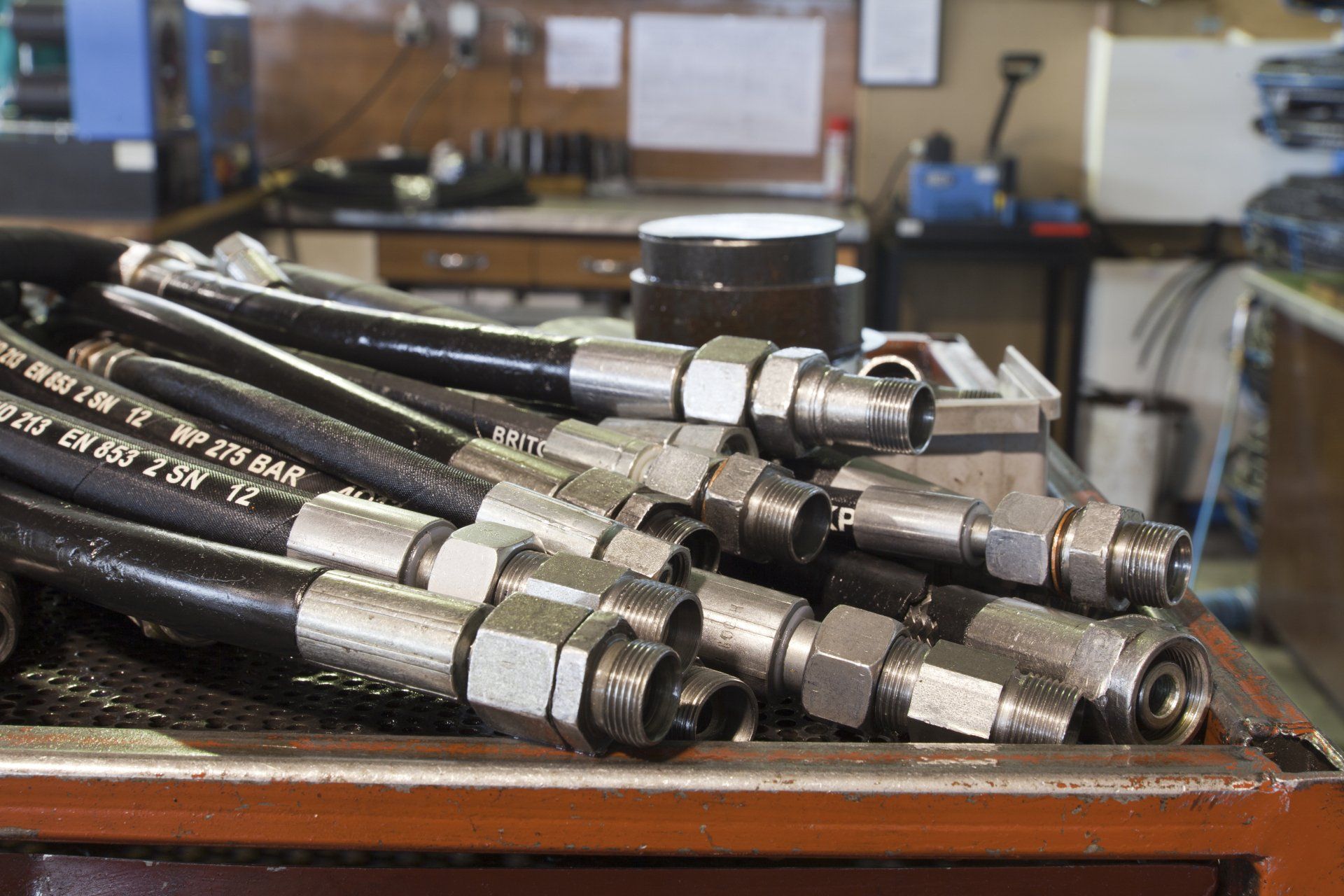
Every operation has a story about the part that wasn't on the shelf. A hydraulic hose blows on a Tuesday morning. The fitting that would fix it isn't in stock. Someone makes a call, someone else makes a drive, and the machine sits idle while the clock runs. By the time the repair is done, a $40 part has cost the business much more.
Emergency buying feels like a one-time event, but for many operations it's a recurring habit, and it drains budgets year after year. The good news is that it's one of the easiest costs to bring under control.
What Is Emergency Buying in Industrial Supply?
Emergency buying is purchasing supplies at the last minute because a part, product, or material is needed immediately and isn't on hand. It usually happens after an unexpected failure, a stockout, or a missed reorder, and it forces buyers to accept whatever price, source, and shipping method gets the product fastest.
Common triggers include:
- A hose, fitting, or fastener fails without a replacement on the shelf
- A critical item runs out before anyone notices
- A project scope changes and materials are needed sooner than planned
- Seasonal demand spikes outpace normal ordering habits
- Reorder responsibilities aren't clearly assigned
What Is Proactive Ordering?
Proactive ordering is planning purchases in advance based on usage history, maintenance schedules, and expected demand, so products arrive before they're needed. Instead of reacting to shortages, teams keep the right quantities of critical items on hand and reorder on a predictable schedule.
Proactive ordering can be as simple as a reorder checklist or as structured as a fully managed inventory program, where a supply partner tracks usage, restocks bins, and keeps critical items available without your team lifting a finger.
Why Emergency Buying Costs More Than You Think
Most businesses only see the invoice, but the invoice is rarely the biggest part of the bill.
The Direct Costs You Can See
- Expedited freight and rush shipping: Same-day and overnight delivery carry significant premiums over standard freight.
- Premium or spot pricing: With no time to compare options, you pay whatever the available source charges.
- Lost volume discounts: Small, urgent orders forfeit the pricing that planned, consolidated orders can earn.
- Multiple small orders: Reacting piece by piece means more invoices, more shipments, and more processing time.
The Hidden Costs That Add Up Faster
- Downtime: Idle equipment and waiting crews are almost always the largest cost of a supply gap.
- Labor waste: Employees spend paid hours tracking down parts instead of doing productive work.
- Rework and mismatched parts: Rushed purchases raise the odds of ordering the wrong size, rating, or specification.
- Missed deadlines: Delays can trigger penalties, strained customer relationships, and lost future work.
- Off-site parts runs: Sending someone to hunt for a component burns fuel, time, and focus.
A single emergency order might look manageable on its own. Repeated across a year, across multiple crews or locations, the totals become hard to ignore.
How Proactive Ordering Saves Money Over the Long Term
The savings from planning compound. Each benefit below builds on the others.
1. Lower Unit Costs
Planned orders can be consolidated, scheduled, and shipped by standard freight. Buying with lead time gives you room to earn better pricing instead of paying for urgency.
2. Fewer Freight Premiums
When product arrives on a normal schedule, expedited shipping charges largely disappear from the budget.
3. Less Downtime
Having the right hose, fitting, or fastener on the shelf turns a day-long shutdown into a quick repair. Because downtime is usually the costliest line item, preventing it delivers the largest return.
4. More Predictable Budgets
When purchasing follows a schedule, spending becomes forecastable. Finance teams can plan around known costs rather than absorbing surprise rush orders.
5. Better Purchasing Decisions
Time to plan means time to compare specifications, standardize products across crews or locations, and choose the right item instead of the fastest one.
6. Less Administrative Burden
Fewer one-off orders means fewer invoices, fewer phone calls, and less time spent managing supply problems.
7. A Stronger Supplier Relationship
Suppliers can serve you best when they understand your usage patterns. A partner who knows what you consume can stock accordingly, flag issues early, and respond faster when something unexpected does come up.
How to Start Ordering Proactively
You don't have to overhaul everything at once. These steps make a meaningful difference quickly.
- Identify your critical items. List the hoses, fittings, fasteners, PPE, and consumables that would stop work if they ran out.
- Review past usage. Look at the last 6 to 12 months of purchases, especially rush orders, to spot patterns.
- Set minimum stock levels. Decide how many of each critical item you want on hand before a reorder triggers.
- Account for seasonality. Busy seasons and heavy-use periods demand higher stock levels. Plan ahead of them, not during them.
- Standardize where you can. Using consistent products across crews and locations makes forecasting simpler and reduces waste.
- Assign ownership. Make one person or team responsible for reorder decisions so nothing falls through the cracks.
- Lean on your supplier. A partner with inventory management capabilities can take much of this work off your plate.
Where Inventory Management Fits In
The most reliable form of proactive ordering is a managed inventory program. Rather than relying on your team to notice when supplies run low, your supply partner monitors stock, restocks on a schedule, and keeps critical items available.
With managed inventory, businesses benefit from:
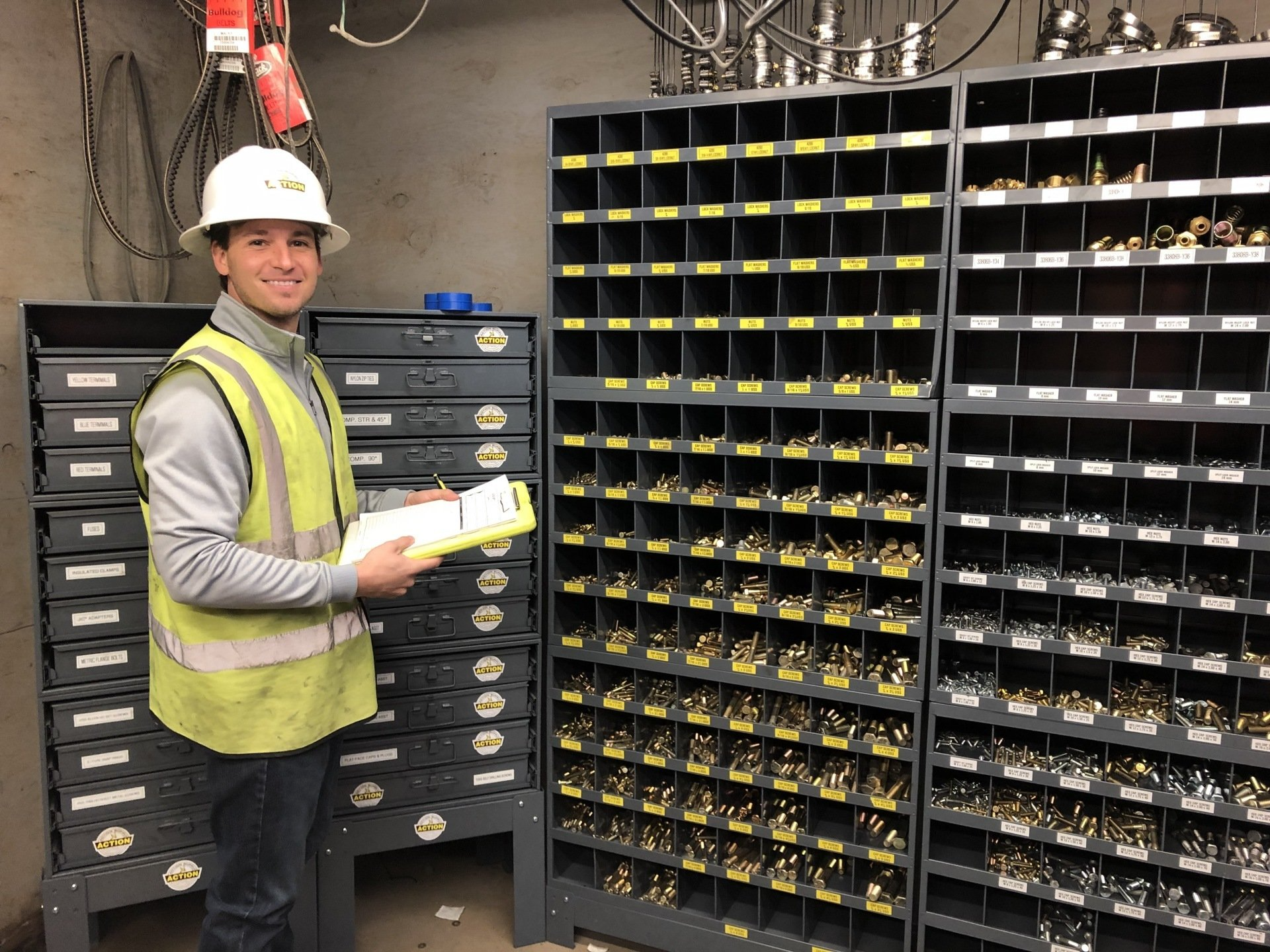
- Custom bin and cabinet systems built around how your crews actually work
- Regular restocking so products stay available and organized
- Fewer stockouts and fewer emergency orders
- Less time spent counting, tracking, and reordering
- Clear visibility into what you use and when
It's a simple shift: instead of reacting to shortages, you prevent them.
How Action Supply Helps You Plan Ahead
For more than 40 years, Action Supply Inc. has supported Houston-area businesses across marine, construction, infrastructure, fleet management, waste, and oil and gas operations. We stock the hydraulic hoses, fittings and adapters, fasteners, safety supplies, and industrial essentials that keep your work moving, and we back them with fully managed inventory management services and on-site hose assemblies built to your exact specifications with Eaton Weatherhead components.
When the unexpected does happen, our expedited freight option helps get you moving again. But the goal is to make those moments rare. Our account representatives work with you to understand your usage, build a system that fits, and keep your shelves stocked so emergency buying becomes the exception instead of the routine.
Frequently Asked Questions
Why is proactive ordering cheaper than emergency buying?
Proactive ordering avoids the premiums attached to urgency, including expedited freight, spot pricing, and lost volume discounts. It also prevents the downtime and wasted labor that make up much of the true cost of a supply shortage. Planned orders can be consolidated and scheduled, which typically lowers total spend.
What are the hidden costs of emergency purchasing?
Beyond higher prices and rush shipping, emergency purchasing can cause equipment downtime, idle crews, missed deadlines, wrong-part errors, and time lost searching for products. These indirect costs often exceed the price of the part itself.
How do I reduce emergency orders in my operation?
Start by identifying your critical items, reviewing past usage, setting minimum stock levels, and assigning clear reorder responsibility. Working with a supplier that offers inventory management can automate much of the process and keep key products consistently available.
What is managed inventory in industrial supply?
Managed inventory is a service where a supplier monitors your stock, restocks items on a schedule, and organizes products in a system built around your operation. It reduces stockouts, cuts emergency orders, and frees your team from tracking and reordering supplies.
How much stock should I keep of critical items?
The right level depends on how quickly you use an item, how long replacement takes, and how costly a shortage would be. Fast-moving, mission-critical items warrant higher buffer stock, while slower or easily sourced items need less. A supplier familiar with your usage can help set sensible minimums.
Is it worth stocking extra parts if it ties up money in inventory?
Yes, when done strategically. The goal isn't to overstock everything but to hold the right quantities of the items whose absence would stop work. The cost of carrying a few critical spares is usually far lower than the cost of a single shutdown.
Does proactive ordering work for small businesses too?
Absolutely. Smaller operations often feel the impact of a single shortage more sharply, since there's less flexibility to reassign crews or equipment. Even a basic reorder checklist for critical items can reduce emergency purchases.
Make Planning Your Advantage
Emergency buying will never disappear entirely, because equipment fails and projects change. But the operations that spend less, waste less, and stay productive longer are the ones that plan for what they can predict.
Contact Action Supply Inc. today to learn how our inventory management solutions, hydraulic and industrial products, and 40 years of Houston industry experience can help you shift from reactive to proactive and keep more of your budget where it belongs.
Call (281) 590-9090 or visit us at 5513 Norments Street, Houston, TX 77039.