What Industry Standards Mean for Your Equipment
When you're managing industrial equipment, every component matters. From hydraulic hoses and fittings to industrial fluid transfer systems, the quality and compatibility of your supplies directly affect how your equipment performs.
But how do you know whether a product is suitable for your application? Industry standards provide an important starting point.
These standards establish technical requirements and guidelines that help manufacturers, suppliers, and equipment operators evaluate product safety, quality, and performance. Choosing components that meet the applicable requirements helps reduce the risk of equipment failure, unexpected downtime, and costly repairs.
At Action Supply, we understand that getting the right equipment means more than finding a product that fits. It's about finding a solution designed to handle the demands of your operation.
Here's what you need to know about industry standards and why they matter when selecting industrial supplies.
What Are Industry Standards?
Industry standards are established technical specifications, test methods, or performance requirements used to promote consistency, safety, and reliability across products and applications.
Depending on the equipment and industry, standards may address:
- Material composition and durability
- Working pressure and temperature limits
- Product dimensions and connection compatibility
- Testing and performance requirements
- Installation and maintenance practices
Organizations such as the Society of Automotive Engineers (SAE) develop standards relevant to hydraulic systems and other equipment. The U.S. Department of Transportation (DOT) also establishes requirements for certain transportation-related applications.
The important distinction is that not every standard applies to every product or application. Requirements depend on the equipment, operating environment, and intended use.
Understanding which specifications matter helps you make informed purchasing decisions and avoid components that aren't suited to your equipment.
Why Industry Standards Matter for Safety
Industrial equipment often operates under demanding conditions. Hoses and fittings may experience high pressure, temperature fluctuations, vibration, abrasion, and exposure to chemicals or other materials.
When a component isn't designed for those conditions, the consequences can extend beyond equipment damage.
An incompatible hose or fitting can leak, separate under pressure, contaminate a system, or expose workers to hazardous fluids.
Consider these common risks:
Pressure-related failures: A hose that cannot handle the system's operating pressure may rupture or fail prematurely.
Material incompatibility: A hose or seal that isn't compatible with the fluid being transferred can deteriorate, leading to leaks or contamination.
Connection problems: Mismatched fittings or incorrect connection types can create leaks, damage equipment, and compromise system integrity.
Premature wear: Components exposed to excessive heat, abrasion, or vibration may deteriorate faster than expected.
Selecting components that meet the applicable specifications helps reduce these risks. Proper installation, regular inspections, and maintenance are equally important to keeping equipment operating safely.
How Standards Affect Equipment Performance
Safety is a major consideration, but equipment standards also influence productivity and long-term operating costs.
The wrong component can restrict flow, wear prematurely, or create recurring maintenance problems. Even a small connection issue can interrupt an entire operation.
Choosing appropriate equipment helps support:
- Reliable operation: Components designed for their intended applications are better suited to expected operating conditions.
- Consistent performance: Correct sizing and specifications help equipment operate within its intended parameters.
- Longer service life: Appropriate materials and construction can reduce premature wear when components are properly installed and maintained.
- Reduced downtime: Fewer preventable component failures mean less time spent on emergency repairs.
- Better purchasing decisions: Understanding specifications helps teams avoid unsuitable products and unnecessary replacements.
The goal isn't simply to purchase the highest-priced product. It's to select the right component for the job, based on performance requirements, operating conditions, and compatibility.
What to Check When Selecting Hoses and Fittings
When purchasing industrial hoses, hydraulic assemblies, or fittings, a few key considerations can help you identify the right solution.
1. Pressure and Temperature Ratings
Every hose and fitting has operating limits. Confirm that the selected components are rated for the pressures and temperatures expected in your application, including relevant operating conditions and pressure surges.
Never assume that two components are compatible simply because they have similar dimensions.
2. Fluid Compatibility
The material used in a hose, fitting, or seal must be compatible with the fluid being conveyed.
Fuel, hydraulic oil, chemicals, water, and other materials can require different hose constructions. Using an unsuitable material may cause deterioration, leaks, or contamination.
3. Size and Connection Type
Correct sizing and connection compatibility are essential for system integrity.
Check hose diameter, fitting type, thread specifications, sealing method, and connection requirements. Combining incompatible components can create problems even when individual parts appear to fit.
4. Manufacturer Specifications
Manufacturer documentation provides important information about a product's intended application, operating limits, installation requirements, and maintenance recommendations.
Review these specifications alongside any applicable industry standards before selecting or replacing components.
5. Environmental Conditions
Consider where and how the equipment will operate. Outdoor exposure, abrasion, vibration, heat, and chemical contact can all affect component selection.
Choosing products suited to the working environment helps prevent premature deterioration and supports more reliable operation.
How Action Supply Helps You Find the Right Equipment
Finding components that meet your equipment's requirements doesn't have to be complicated.
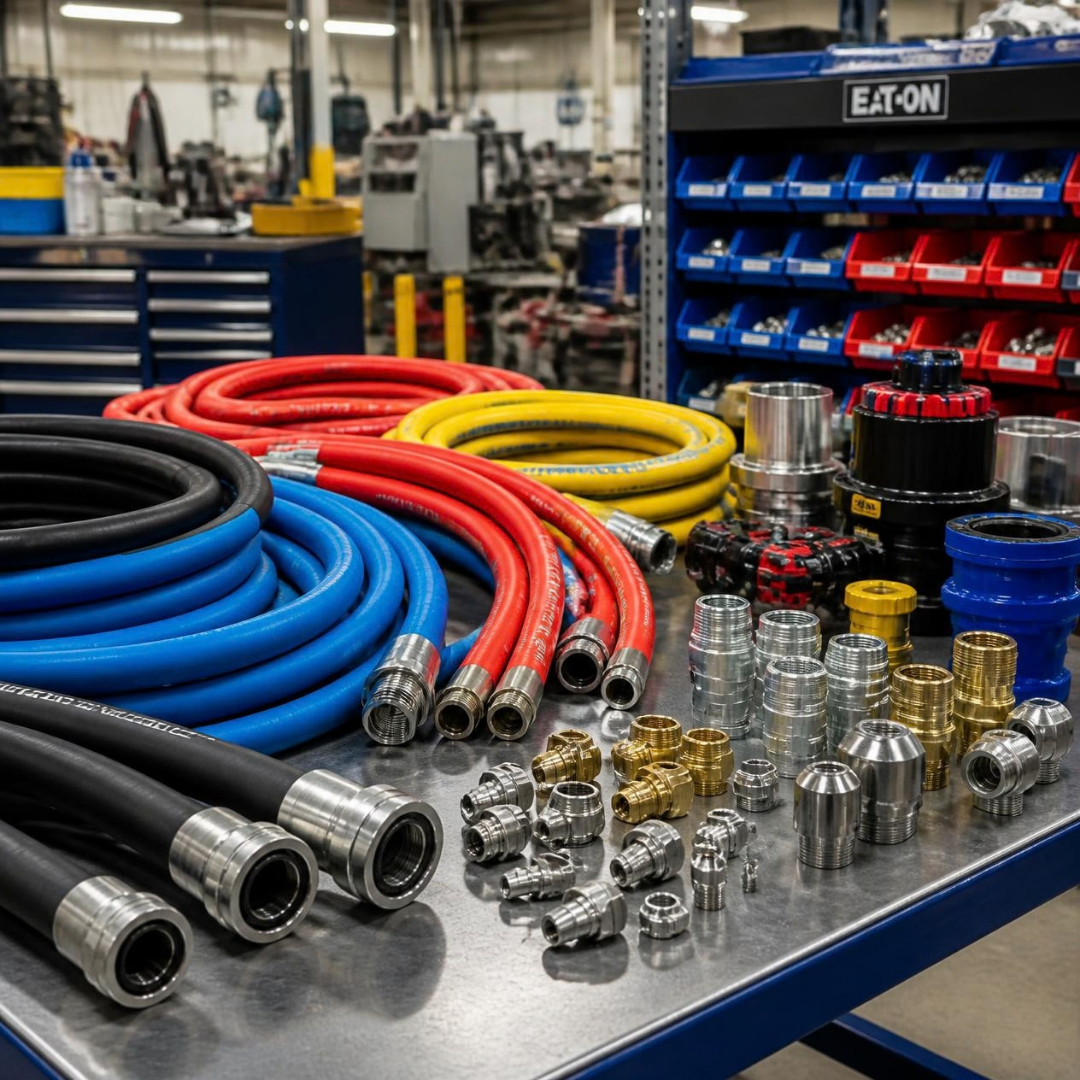
At Action Supply, we provide industrial hoses, hydraulic hoses, fittings, adapters, and other supplies designed to support demanding working environments. Our team works with customers to identify appropriate solutions based on their equipment specifications and application needs.
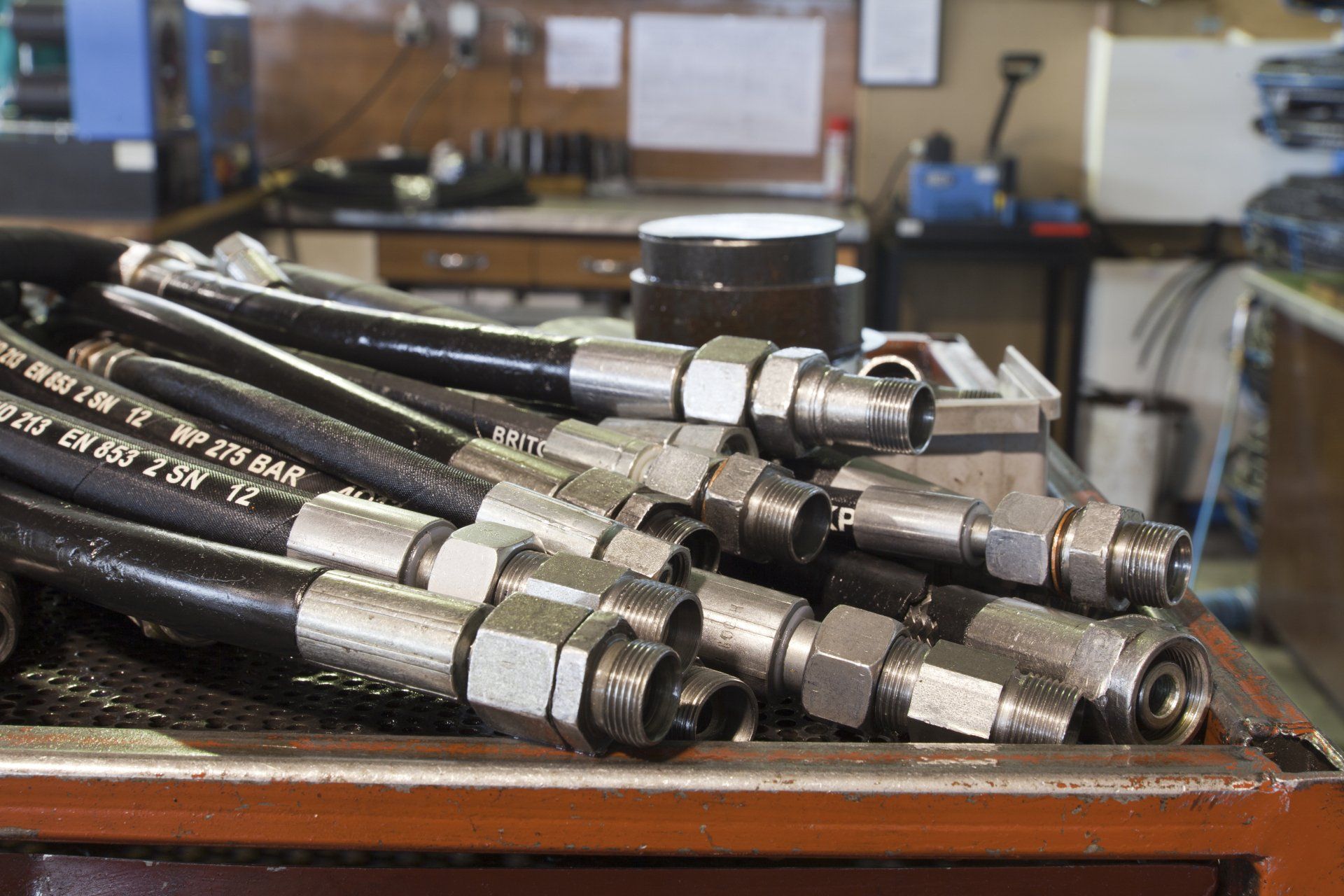
We also offer on-site hose assembly services, allowing our team to build hydraulic hose assemblies to your specified measurements and requirements using quality components.
Whether you're replacing a worn hose, sourcing compatible fittings, or planning inventory for upcoming maintenance, having a knowledgeable supply partner helps you make informed decisions and keep your operation moving.
With more than 40 years of experience, Action Supply understands the importance of quality products, responsive service, and reliable supply.
The right equipment starts with the right specifications. Contact Action Supply to discuss your industrial hose, fitting, and equipment supply needs.
Frequently Asked Questions
Why are industry standards important for industrial equipment?
Industry standards establish technical requirements and guidelines that help promote product safety, compatibility, and reliable performance. Selecting components that meet applicable standards helps reduce the risk of equipment failure and unexpected downtime.
How do I know if an industrial hose meets the requirements for my application?
Check the manufacturer's specifications, applicable industry standards, working pressure and temperature ratings, fluid compatibility, and connection requirements. When in doubt, consult a knowledgeable supplier or the equipment manufacturer.
Can incompatible fittings cause equipment failure?
Yes. Incompatible fittings can create leaks, damage connection points, and compromise system integrity. Under pressure, connection failures can also create serious safety hazards. Always verify fitting compatibility before installation.