Less Searching, More Working: Optimizing Your Supply Setup
A disorganized parts and supply area costs jobsites real time, often more than most crews realize. Standardizing storage, labeling clearly, tracking inventory, and partnering with a supplier who keeps critical items in stock all cut down on the minutes lost hunting for the right fitting, hose, or fastener. Those minutes add up fast, and getting organization right is one of the simplest ways to boost productivity without spending a dime on new equipment.
Think about the last time someone on your crew needed a specific hydraulic fitting and it took fifteen minutes to find it. Maybe it was in the wrong bin. Maybe nobody could remember if you even had it in stock. Maybe someone had to run to the truck, then the shop, then finally call a supplier just to get an answer. None of that is unusual. It happens on jobsites every single day, and it's rarely anyone's fault. It's just what happens when supply organization gets treated as an afterthought instead of a real part of the operation.
At Action Supply, we've spent over 40 years helping crews across construction, marine, fleet, and oil and gas keep their operations moving. One thing we hear again and again is that the biggest hidden time-waster on a jobsite isn't the work itself. It's everything that happens before the work can even start.
The Real Cost of a Disorganized Supply Setup
It's easy to underestimate how much time gets lost to searching, because it rarely shows up as one big delay. It shows up in small chunks, scattered throughout the day, and most crews never add it all up.
A few minutes here looking for the right fastener. A few more there double checking whether a hose assembly is the right length. A trip back to the truck because the PPE bin was empty. None of it feels like a big deal in the moment, but multiply that across a crew, a week, and a whole season, and the numbers get hard to ignore.
Disorganization doesn't just cost time either. It leads to:
- Duplicate orders because nobody could confirm what was already on hand
- Rush shipping fees to cover last-minute shortages
- Idle equipment while crews wait on a part that was actually sitting in the shop the whole time
- Frustrated employees who spend more energy managing chaos than doing their jobs
- Safety shortcuts when the right tool or protective gear isn't where it should be
None of these are small problems. They're just quiet ones, which is exactly why they tend to stick around longer than they should.
What an Optimized Supply Setup Actually Looks Like
Getting organized doesn't require a total overhaul. Most of the time, it comes down to a handful of habits and systems that keep everything predictable.
Standardize Where Things Live
If the same fitting can be found in three different spots depending on who put it away, that's not really organization, it's guesswork. Assigning a consistent, labeled location for every product category, and sticking to it, is one of the fastest ways to cut search time. Once everyone on the crew knows where hoses, fittings, fasteners, and PPE live, nobody has to ask or hunt.
Label Everything Clearly
This one sounds obvious, but it's often the first thing to slip. Clear labeling on bins, shelves, and hose racks means anyone on the team, including someone new, can find what they need without waiting on the one person who "just knows where everything is."
Keep Inventory Visible
You can't manage what you can't see. Knowing what's in stock, what's running low, and what needs to be reordered takes the guesswork out of purchasing and stops crews from discovering a shortage mid-job. Whether that's a simple checklist system or a more structured inventory management program, visibility is what turns reactive ordering into planned ordering.
Set Reorder Points Before You Run Out
Waiting until a bin is empty to reorder almost always means downtime while you wait on the replacement. Setting a reorder threshold, so you order more fittings or hoses when supply hits a certain level rather than when it hits zero, keeps work moving without gaps.
Reduce the Number of Places You're Ordering From
Every extra vendor is another invoice, another delivery schedule, and another place things can fall through the cracks. Working with a supplier who carries a broad range of hoses, fittings, fasteners, PPE, and fleet maintenance products under one roof simplifies ordering and cuts down on the coordination it takes to keep a jobsite stocked.
Why Organization and Productivity Go Hand in Hand
It's tempting to think of supply organization as a back-office task, something that happens separately from the actual work. In reality, it's directly tied to how much work gets done. Every minute a crew member spends searching for a part is a minute they're not doing the job they were sent out to do.
The jobs that run smoothest usually aren't the ones with the most advanced equipment. They're the ones where nobody has to think twice about whether the right supplies are on hand. That kind of predictability doesn't happen by accident. It's built, one labeled bin and one stocked shelf at a time.
How Action Supply Helps Keep Your Operation Organized
We built our inventory management and on-site hose assembly services around this exact problem. Instead of your crew spending time chasing down parts, our team works to make sure supplies are stocked, organized, and ready when you need them.
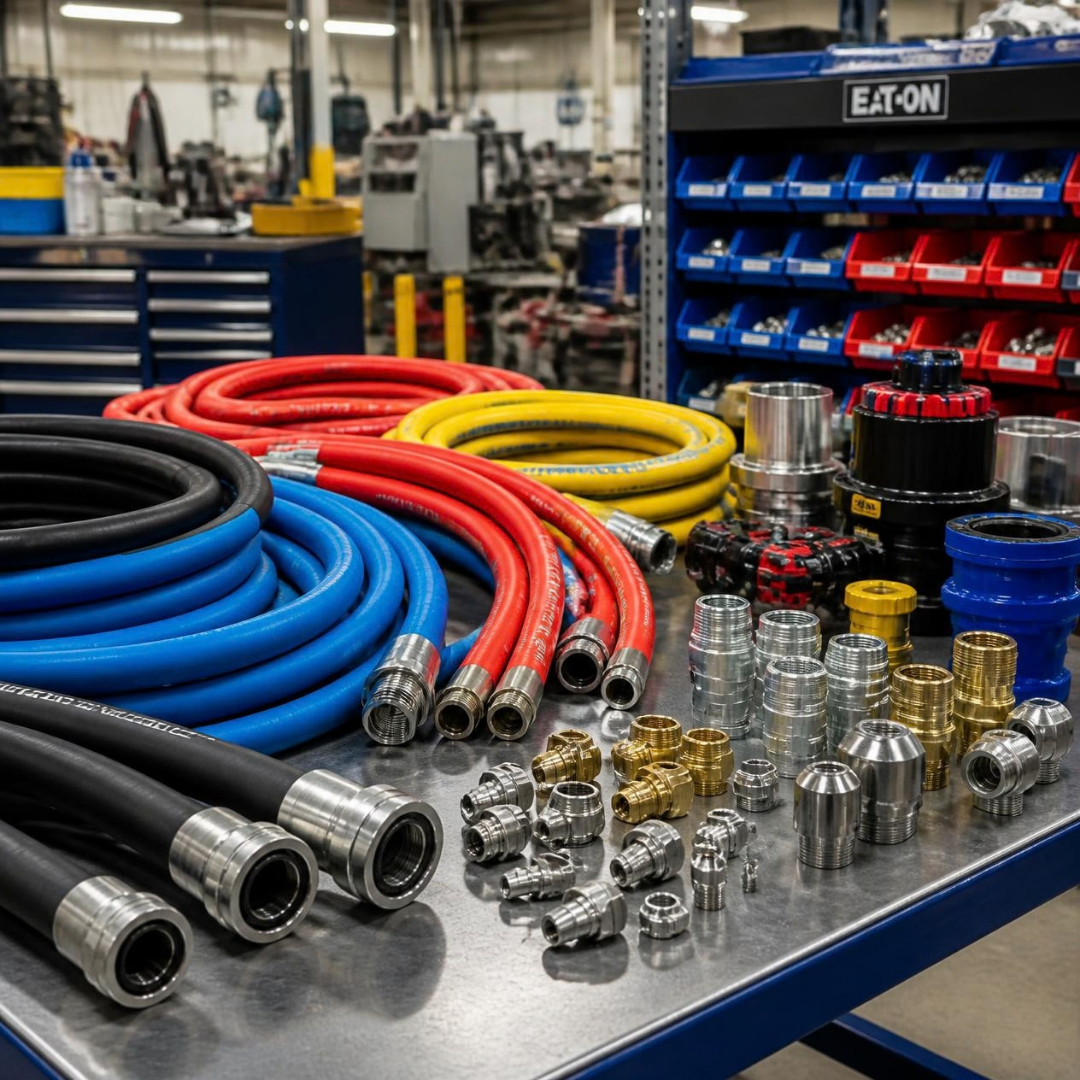
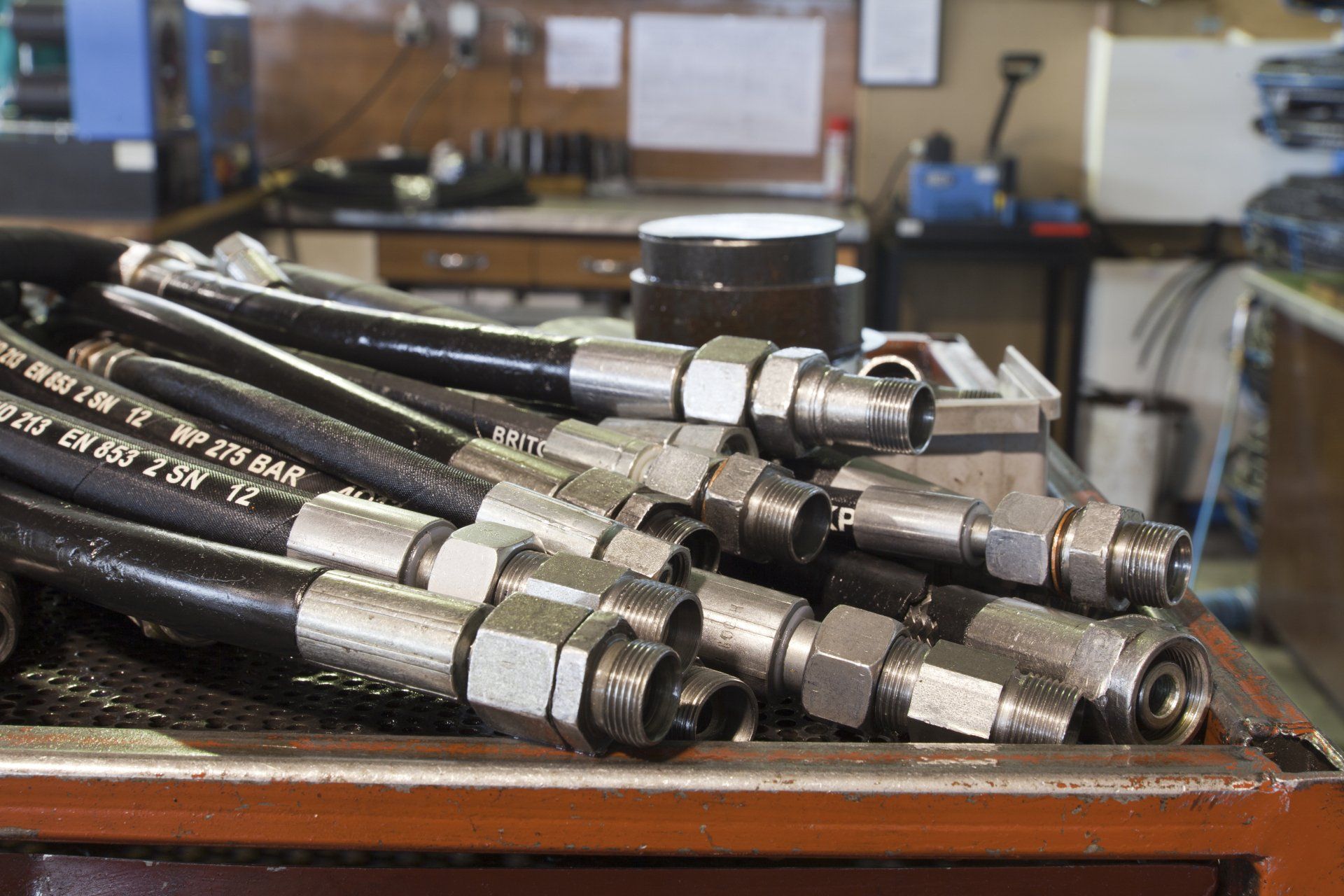
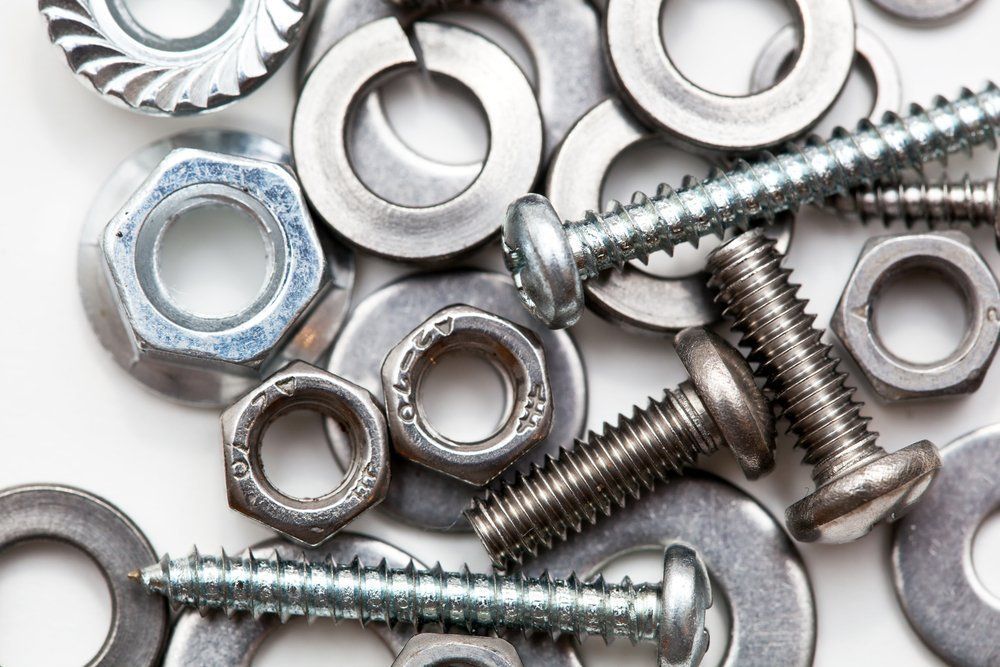
Our inventory management program helps businesses keep consistent stock levels of the hoses, fittings, fasteners, and hardware they use most, so shortages don't catch anyone off guard. And when a hydraulic hose assembly needs to be built to exact specifications, our on-site team can put it together right where the work is happening, using quality EATON Weatherhead hoses, couplings, and fittings, so nobody has to wait on a shipment to keep a job moving.
A well-organized supply setup doesn't just save time. It removes one more variable that could slow your crew down, so they can spend their day working instead of searching.
Frequently Asked Questions
How much time does poor supply organization actually cost a jobsite? It varies by operation, but even small delays, like a few minutes searching for a fitting or a fastener, add up quickly across a crew and a workday. Many businesses are surprised by how much productive time they get back once storage and inventory systems are standardized.
What's the easiest first step toward a more organized supply setup? Start with labeling. Assigning a clear, consistent, labeled location for your most frequently used items, hoses, fittings, fasteners, and PPE, usually delivers the fastest, most noticeable improvement with the least effort.
Does inventory management only make sense for large operations? No. Businesses of any size can benefit from having visibility into their stock levels and reorder timing. Smaller operations often feel the impact of a stockout even more, since there's less flexibility to absorb an unplanned delay.
How does working with fewer suppliers improve efficiency? Consolidating vendors reduces the number of invoices, delivery schedules, and points of contact your team has to manage. It also makes it easier to standardize the products you use across jobs, which simplifies both ordering and training.
Can on-site hose assembly really save time compared to ordering pre-made hoses? Yes, especially for custom lengths or specifications. Having hoses built to exact measurements on-site means less waiting on shipments and fewer mismatched parts holding up a job.
Ready to Spend Less Time Searching?
A better organized supply setup doesn't happen overnight, but it doesn't have to be complicated either. If your crew is losing time to shortages, mismatched parts, or a supply room nobody can quite keep straight, it might be time for a better system.
Talk to Action Supply about inventory management and on-site hose assembly services. Call us at (281) 590-9090 or contact our team to see how we can help keep your supplies stocked, organized, and ready to go.