Equipment That Makes A Difference
February 18, 2020
Feel the Quality in Your Hands
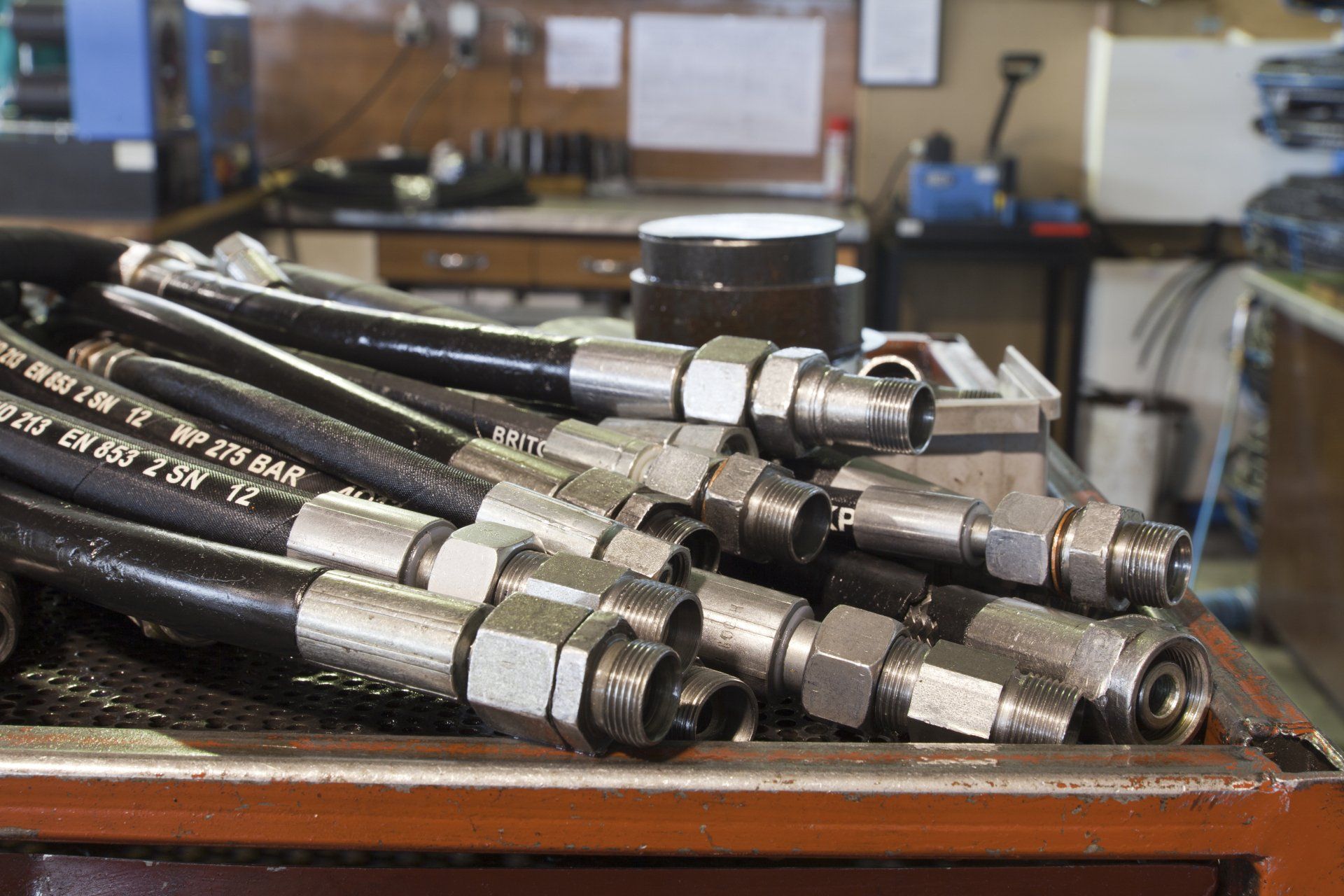
There's an old adage that says a good craftsman should never blame their tools, and we stand by that. However, that doesn’t mean you should settle for industrial tools
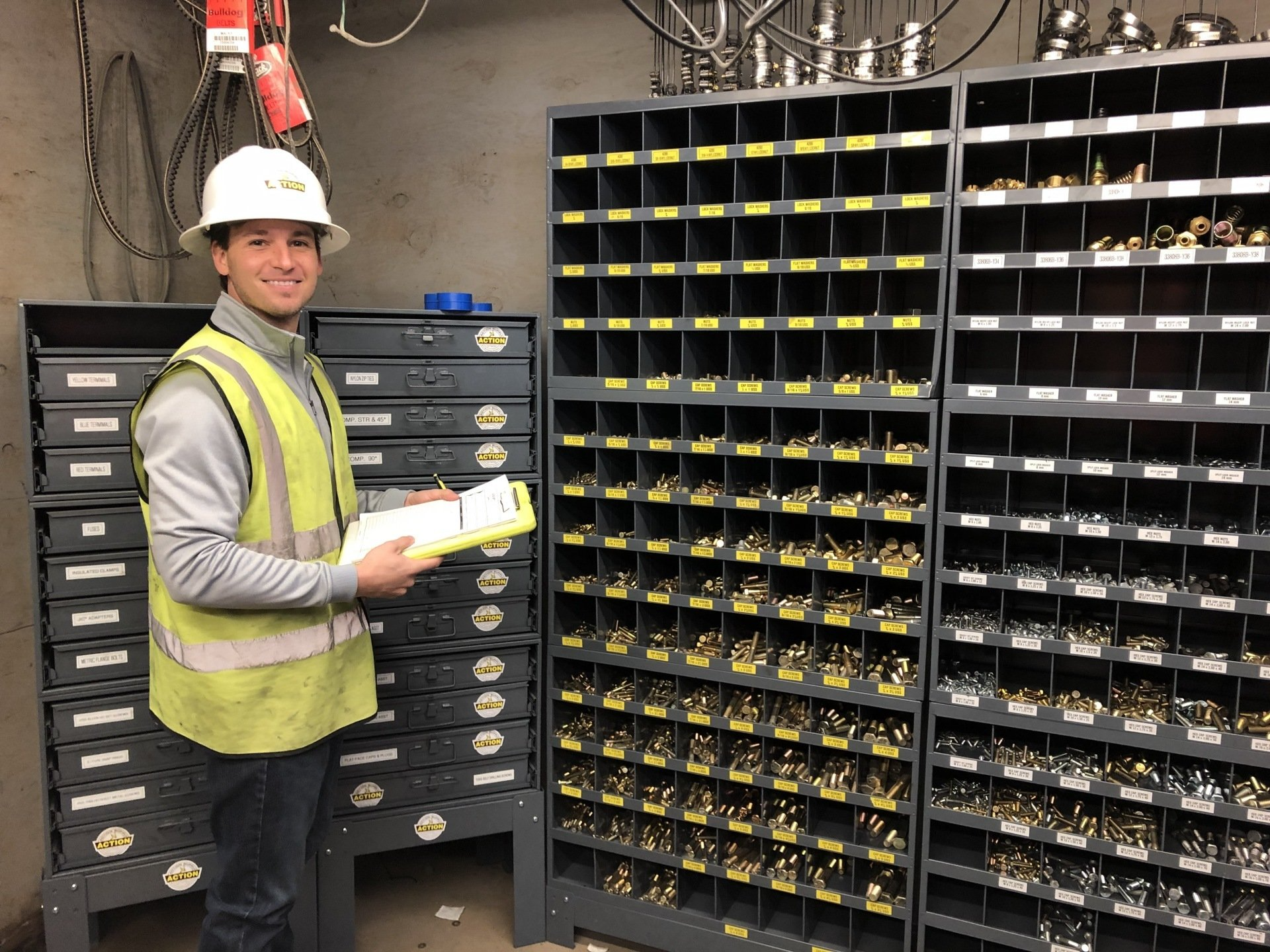
that make your projects harder and longer to complete. When you trust us to handle your equipment inventory, you’ll be able to focus on finishing projects more efficiently. Instead of blaming your tools we’ll make sure you are the driving force behind your projects. Feel the difference and see the value in your tools again.
Be The Reason Why Your Projects Succeed
We also understand for your projects to be completed correctly, access to the best equipment makes a huge difference. Our inventory management professionals will make sure you have everything you need, whenever you need it. Each time you use one of our equipment products you’ll see a noticeable improvement in performance. We never compromise on quality, we care about your projects, and will work hard to get you consistent results.
The Power Is In the Products
When it comes to the advantages of our inventory management services the power is in the products. The product solutions we offer are designed to help you complete projects faster and with greater ease. If you use one of our products consistency is what you can expect from us. We make sure our products undergo quality controlled testing to ensure they perform great when you need them to most.
To learn more about what sets us apart and how we can help with your next project contact us today!
The start of a new year is more than a calendar reset, it’s an opportunity to strengthen the systems that keep your business running efficiently. For industrial, commercial, and maintenance-driven operations, having the right supplies in place at the right time can mean the difference between staying productive or falling behind. Building a smarter supply strategy early in the year helps businesses control costs, reduce downtime, and remain competitive in an increasingly unpredictable supply environment. Here’s how to evaluate your needs, forecast usage, and put reliable systems in place for the year ahead. Why Strategic Supply Planning Matters Reactive purchasing often leads to higher costs, rushed decisions, and inconsistent inventory levels. Without a clear supply plan, businesses risk overordering, stockouts, and delays that impact operations and customer commitments. Strategic supply planning allows organizations to: Improve operational efficiency Reduce emergency purchases and downtime Stabilize pricing through better forecasting Build stronger supplier relationships When supply strategy is aligned with operational goals, purchasing becomes a competitive advantage, not just a necessity. Step 1: Evaluate Your Current Supply Usage The foundation of any effective supply strategy is understanding what you actually use. Reviewing historical purchasing data provides valuable insight into patterns, seasonality, and inefficiencies. Key questions to ask: Which products are used consistently throughout the year? Where do usage spikes or slowdowns occur? Which items frequently require rush orders or last-minute replenishment? Identifying high-use and critical items helps prioritize where planning and standardization will have the greatest impact. Step 2: Forecast Demand with Operational Input Accurate forecasting requires collaboration across departments. Operations, maintenance, and procurement teams all play a role in anticipating demand. Consider factors such as: Planned maintenance schedules Production volume expectations Seasonal workload fluctuations Equipment upgrades or expansions By incorporating operational insight into forecasting, businesses can better align inventory levels with real-world needs, reducing both excess stock and shortages. Step 3: Standardize Products and Vendors Standardization simplifies purchasing, improves consistency, and often reduces costs. Evaluating opportunities to standardize frequently used supplies—such as safety products, fasteners, tools, or consumables—can streamline procurement and inventory management. Working with a trusted supplier also provides access to product expertise, availability insights, and alternative solutions when supply challenges arise. Step 4: Set Systems in Place Early Establishing purchasing systems early in the year creates stability throughout the months ahead. This may include setting reorder points, implementing blanket orders, or coordinating scheduled deliveries for high-use items. Proactive systems reduce the need for emergency purchases and allow teams to focus on operations rather than constant supply management. Step 5: Build a Supply Partner, Not Just a Vendor A strong supply strategy goes beyond transactions. Partnering with a knowledgeable supplier adds value through product recommendations, inventory support, and responsiveness when challenges arise. The right supply partner understands your business, anticipates needs, and helps you adapt as conditions change throughout the year. How Action Supply Supports Smarter Supply Planning Action Supply works with businesses to develop supply strategies that support efficiency, reliability, and long-term success. By helping customers evaluate usage, identify opportunities for standardization, and implement dependable supply systems, Action Supply helps operations stay prepared, not reactive. Whether planning for routine maintenance, large-scale projects, or day-to-day operations, Action Supply provides the products and support businesses need to stay competitive all year. FAQs Why is supply planning important at the start of the year? Early planning helps businesses forecast demand, stabilize costs, and reduce disruptions caused by shortages or emergency purchases. How can businesses improve inventory efficiency? Evaluating usage data, forecasting demand, standardizing products, and working with a reliable supplier are key steps toward more efficient inventory management. What should a supply strategy include? A strong supply strategy includes usage evaluation, demand forecasting, product standardization, purchasing systems, and a trusted supply partner.